Overview of This Sedona Helicopter Tour Experience
This video captures a scenic helicopter tour over Sedona, Arizona, showcasing one of the Southwest's most visually dramatic landscapes from the air. Shot on February 27, 2016, the footage gives you a real-world look at what a Sedona aerial tour feels like—the views, the flight experience, and the perspective you'll gain from several hundred feet above the red rock terrain. If you're drawn to dramatic desert scenery, geological formations, and the thrill of seeing a place from an entirely new angle, this is the kind of experience that makes sense for you.
Sedona's red rock formations are among Arizona's most iconic natural features, and a helicopter tour lets you see layers and scale that ground-level photography simply cannot capture. This video is particularly useful if you're deciding whether an aerial tour fits your travel style, want a preview of what the flight path typically covers, or need to feel confident about the safety and comfort of a helicopter experience before booking.
Signature Views and Moments from Your Flight
- Aerial perspective of Sedona's famous red rock formations and canyon walls
- Bird's-eye view of the desert landscape's layered geology and color contrasts
- The scale and scope of natural features visible only from above
- Real-time flight footage showing the helicopter's movement and banking over key landmarks
- The interplay of light and shadow across the rock faces throughout the flight
What to Expect Before and During Your Sedona Helicopter Tour
- Tours operate from Sedona-area departure points; verify your specific takeoff location and parking details when booking
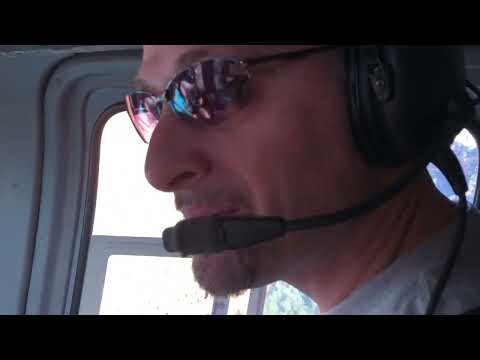
- Arrive early to check in, receive a safety briefing, and get fitted with headsets for clear in-flight communication
- Wear comfortable, secure clothing; layers are wise because temperature can differ at altitude, and avoid loose items that could shift during flight
- Bring or wear sunglasses and sunscreen—exposure to sun and glare is significant at elevation
- Cameras and phones are typically allowed; secure them with a strap if possible, as the helicopter's movement requires both hands free for safety
- Tours fill quickly during peak season (fall and spring); book several weeks in advance to guarantee your preferred date and time
Frequently Asked Questions About Sedona Helicopter Tours
Is a helicopter tour safe in Sedona?
Yes. Helicopter tour operators in Sedona are licensed and regulated, with regular maintenance schedules and experienced pilots. The video's straightforward documentation of the flight is reassuring; thousands of visitors take these tours annually without incident. Always choose a reputable operator with good safety reviews and ask about their insurance and pilot qualifications.
What is the typical flight duration?
Most Sedona helicopter tours range from 30 to 60 minutes in the air, though exact times vary by operator and package. The video captures footage from a standard tour, so its pacing gives you a realistic sense of flight time and the distance covered over the landscape.
What is the best time of day for this tour?
Early morning or late afternoon flights offer the best light for photography and the most comfortable temperatures. Midday can mean harsh shadows and intense heat. Check with your operator for their recommended windows; the video was shot in late February, when Arizona's weather is mild and visibility is typically excellent.
Can I bring a camera or phone to record video?
Yes, cameras and phones are generally permitted. Keep them secured with a strap or in a pocket with a secure closure, as the helicopter's movement and wind require your hands to stay free. The video itself demonstrates high-quality footage, which means modern smartphones and cameras capture excellent imagery from the air.
How much does a Sedona helicopter tour cost?
Pricing varies based on flight duration, tour company, and current demand, typically ranging from a few hundred to over a thousand dollars per person. Book early to secure better rates and availability, as tours fill rapidly during peak tourist seasons in Arizona.