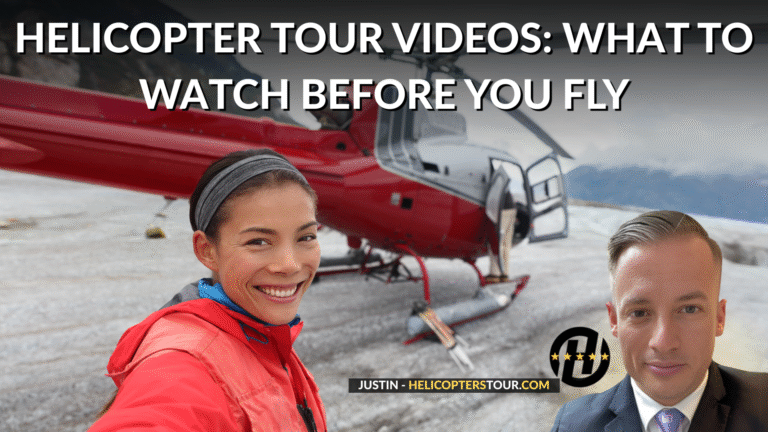
Overview of This Eiger Glacier Helicopter Flight
This video captures a scenic helicopter journey departing from Interlaken and climbing toward Eiger Glacier in the heart of the Swiss Alps' Jungfrau region. The flight showcases one of Europe's most dramatic mountain landscapes from the air, offering unobstructed views of snow-covered peaks, glaciers, and alpine terrain that few travelers experience firsthand. The video documents the entire aerial experience in 4K, giving viewers a genuine sense of scale and beauty they can expect on this kind of tour.
This experience suits adventure travelers, mountain enthusiasts, and anyone seeking a memorable high-altitude perspective of the Alps without technical climbing. Whether you're visiting Switzerland for the first time or returning for deeper exploration, a helicopter tour like this one combines thrill, natural beauty, and accessibility—you need no mountaineering skill, just a sense of wonder and a camera ready. Spots fill up quickly during peak seasons, so serious interest warrants early booking.
What You'll See on the Flight to Eiger Glacier
- Sweeping views of Eiger Glacier itself, a massive expanse of ice nestled among steep rock faces
- The iconic pyramidal peaks of the Jungfrau region, including some of the Alps' most recognizable summits
- Dramatic vertical rock walls and snow-laden ridges as the helicopter approaches the glacier
- The contrast between lower forested valleys around Interlaken and the barren, frozen upper peaks
- Close-up perspectives of glacier crevasses and alpine terrain that reveal the scale of the landscape
- Pilot commentary that adds context and points out key landmarks as you ascend

What to Know Before Booking Your Flight
- The route begins in Interlaken, a major hub in the Bernese Oberland, making access straightforward for visitors to the region
- An experienced pilot provides live narration during the flight, helping you understand the geography and geological features below
- Weather conditions in the mountains can change rapidly; flights may be rescheduled, so flexibility helps
- The video is shot in 4K, so the aerial scenery is crisp and detailed—bring your own camera or phone for your own shots, and a polarizing filter can reduce glare from snow and ice
- Dress warmly even though you're inside the helicopter; mountain air at altitude is cold, and cabin temperatures reflect that
- Early morning or late afternoon flights often offer the best light for photography and clearest visibility
Frequently Asked Questions About Eiger Glacier Helicopter Tours
Is this tour suitable for people afraid of heights?
Helicopter tours require some comfort with altitude and enclosed spaces. If heights cause severe anxiety, this may not be the right choice. However, many people find that being inside an aircraft feels safer than they expect, and the visual spectacle often overrides nervousness. Consider your own tolerance honestly before booking.
What is the best time of year to fly to Eiger Glacier?
Summer and early autumn typically offer clearer skies and more stable weather in the Alps. Winter flights are possible but face higher cancellation rates due to cloud cover and storms. Spring and early summer provide excellent visibility and dramatic snow-covered peaks, making them popular times to book.
Do I need any special fitness or training?
No special fitness level or training is required. You simply board the helicopter, sit in your assigned seat, and enjoy the flight. The pilot handles everything. However, anyone with heart conditions or claustrophobia should consult a doctor before flying.
Can I film or photograph during the flight?
Yes, the video clearly shows that photography is part of the experience. Bring a camera or ensure your phone is fully charged. A window seat is ideal for photos. Be mindful of glare from snow and reflections on the windows.
How long does the entire experience take?
The video doesn't specify exact duration, but most helicopter glacier tours in the region last between 30 minutes and one hour of flight time, plus time for briefing, boarding, and landing. Plan for at least two hours total at the departure location.