Everest Base Camp
What Everest Base Camp Is
Everest Base Camp is a settlement located on the south side of Mount Everest in Nepal, positioned at an elevation of approximately 17,598 feet (5,364 meters) above sea level. It serves as the primary staging area and logistics hub for climbers attempting to summit Mount Everest via the Southeast Ridge route. The camp is not a permanent facility but rather a seasonal settlement that operates during the climbing season, typically from late March through May each year.
The base camp consists of hundreds of tents arranged across the Khumbu Glacier, along with supply depots, communication stations, and medical facilities. It functions as a temporary home for mountaineers, porters, guides, and support staff who gather from around the world to prepare for and undertake the challenging ascent to Everest's summit. The site has become an iconic destination in mountaineering and is also visited by trekkers who do not intend to climb the mountain itself.
How Everest Base Camp Works
Everest Base Camp operates as an organized camp system designed to support high-altitude mountaineering. Climbers arrive at the camp after completing a multi-day trek from the nearest town of Lukla in the Khumbu region. Once there, they acclimatize to the thin air and extreme altitude before attempting higher camps and ultimately the summit. The camp provides essential infrastructure including dining tents, sleeping quarters, oxygen supply storage, and communication equipment.
The camp follows a seasonal rhythm aligned with weather patterns and climbing conditions. Teams establish their operations, organize supplies, and coordinate with local porters and sherpas who carry equipment higher up the mountain. Climbers typically spend one to two weeks at base camp conducting medical checks, acclimatization training, and final preparation before moving to higher camps. The camp also receives regular supply shipments and maintains a coordination system among the various expedition teams operating on the mountain simultaneously.
Why Everest Base Camp Matters
Everest Base Camp holds profound significance in mountaineering as the launching point for the world's highest peak. Its existence has democratized high-altitude climbing by providing organized infrastructure, medical support, and logistical coordination that would be impossible for individual climbers to establish independently. The camp has enabled thousands of people from diverse backgrounds to attempt Everest, transforming it from an elite mountaineering objective into a more accessible (though still extremely challenging) climbing destination.
Beyond mountaineering, Everest Base Camp has become a major trekking destination in its own right. Thousands of visitors hike to the base camp each year without attempting to climb the mountain, drawn by the spectacular scenery and the experience of reaching high altitude in the Himalayas. This has created economic opportunities for local Nepali communities, supporting guides, porters, tea house operators, and hospitality workers throughout the region. The base camp has also become a symbol of human ambition and perseverance, drawing attention to environmental issues, mountaineering ethics, and the cultural heritage of the Sherpa people.
Frequently Asked Questions About Everest Base Camp
How do people reach Everest Base Camp?
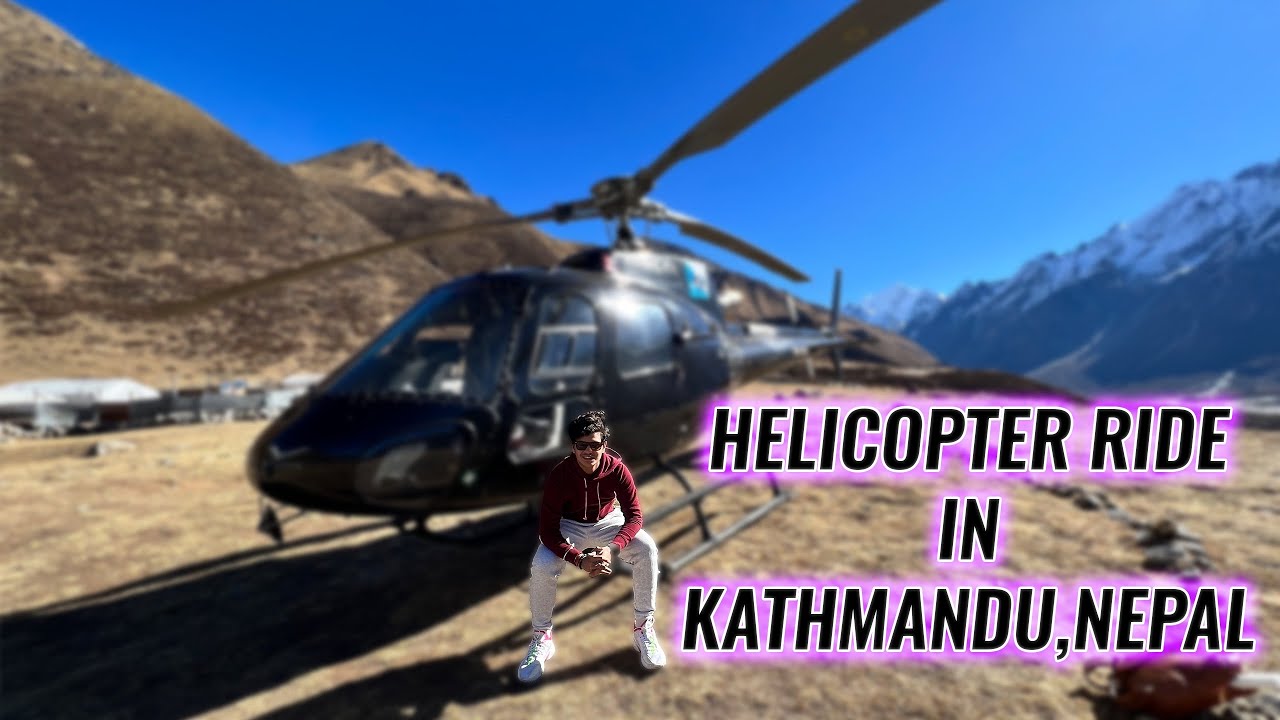
Most visitors fly into Kathmandu, Nepal, then take a domestic flight to Lukla, a small mountain airstrip. From there, they begin a trek that typically lasts 5 to 7 days, passing through Sherpa villages and high-altitude settlements. The trek gains elevation gradually to allow for acclimatization. Some climbers and trekkers arrive by helicopter, though this is less common due to cost and weather constraints. The walk itself is considered moderately strenuous but does not require technical climbing skills.
What is the best time to visit Everest Base Camp?
The ideal season for visiting Everest Base Camp is from March to May (spring) and September to November (autumn). During these windows, weather is relatively stable, temperatures are less extreme, and visibility is clearer. Spring is the primary climbing season, while autumn attracts more trekkers. Winter and early spring bring heavy snow and extreme cold, making the trek dangerous. Monsoon season from June to August brings heavy rain and cloud cover, obscuring views and creating hazardous conditions.
Do I need special training or experience to trek to Everest Base Camp?
The trek to Everest Base Camp does not require mountaineering experience or technical climbing skills. However, it does demand good physical fitness and mental preparation, as trekkers will spend several days at high altitude where the air contains roughly half the oxygen available at sea level. Many people experience symptoms of altitude sickness. Training through regular cardiovascular exercise is recommended, and arriving a few days early in Kathmandu for preliminary acclimatization helps reduce altitude-related problems. Proper gear, appropriate clothing, and guidance from experienced trekking companies are important for safety and comfort.
What environmental and social issues surround Everest Base Camp?
Everest Base Camp and the surrounding region face several challenges, including waste management from the thousands of visitors, resource strain on local communities, and climate-related changes affecting snow and glacier conditions. The increased human activity has led to environmental degradation on the mountain itself. Additionally, concerns exist regarding the working conditions and fair compensation for Sherpa guides and porters who perform the most dangerous work. Local governments and organizations continue working to implement conservation efforts, promote sustainable tourism, and support the welfare of mountain communities.
Further reading: Everest Base Camp on Wikipedia · Google Scholar
Recent videos that cover Everest Base Camp

Everest Helicopter Tour | 8848 meters | Top of the World | Everest Base Camp Helicopter Tour

I Took a Helicopter to the HIGHEST point in Mt Everest

Dramatic Helicopter Flight in Nepal (Altitude Sickness Evacuation)

Everest Helicopter Tour. Over view of Everest, Gokyo, Kala Patthar, EBC, Cho Oyu, Lhotse, Makalu.

Mt Everest ka Aerial View | Everest Flight from Kathmandu | Travelling Mantra | Nepal Part 20

Everest Base Camp (EBC) Helicopter/Heli Landing Tour in NEPAL (5,364m)/KALAPATHER(5,644)

Everest Base Camp Helicopter Tour | Best winter helicopter tour in Nepal

Helicopter Tour of Mt. Everest - Stunning Views of Himalayas in Nepal | Trek Tips