
Napali Coast
What is Napali Coast
Napali Coast is a dramatic stretch of rugged coastline located on the northwest side of Kauai, the oldest of the Hawaiian Islands. The name "Napali" means "the cliffs" in Hawaiian, and the designation is fitting—the coast is defined by towering sea cliffs that rise up to 4,000 feet directly from the Pacific Ocean. This approximately 15-mile section of shoreline is largely undeveloped and inaccessible by road, making it one of Hawaii's most pristine and visually stunning natural areas.
The Napali Coast stretches between the towns of Kee Beach in the north and Polihale State Park in the south, encompassing several small valleys, waterfalls, and secluded beaches accessible only by hiking, boat, or air. The area is part of Kauai's Na Pali Coast State Wilderness Preserve and is protected as a natural preserve to maintain its ecological and cultural significance. Its otherworldly appearance—with emerald cliffs, lush vegetation, and crashing waves—has made it one of the most photographed locations in Hawaii and a bucket-list destination for travelers worldwide.
How the Napali Coast Works
The Napali Coast's distinctive landscape is the result of geological processes that have unfolded over millions of years. The cliffs themselves were formed through a combination of volcanic activity and erosion. Kauai, being the oldest Hawaiian island, has experienced significant weathering and water erosion since its volcanic formation. Streams and rivers flowing down from the island's interior cut deep valleys into the landscape, while waves and ocean currents continuously eroded the coastline, creating the dramatic vertical cliff faces visible today.
The area's geography creates a unique microclimate and ecosystem. The windward side of the coast receives significant rainfall, which feeds lush vegetation and numerous waterfalls that cascade down the cliffsides into the ocean. The valleys between the cliffs—such as Kalalau Valley, Honopu Valley, and Awa'awapuhi Valley—contain freshwater streams, native Hawaiian plants, and archaeological sites from ancient Hawaiian settlements. The steep terrain and lack of road access have naturally preserved this area from modern development, allowing it to maintain its wild character and ecological integrity.
Why the Napali Coast Matters
The Napali Coast holds immense cultural, ecological, and economic importance. Culturally, the area was home to Hawaiian communities for centuries, and the valleys contain archaeological evidence of ancient Hawaiian occupation, including heiau (temples) and agricultural terraces. For modern Hawaii, preserving these sites and the landscape itself honors Hawaiian heritage and natural history.
Ecologically, the Napali Coast is home to unique native Hawaiian plants and animals found nowhere else on Earth. The remote location has protected species like native seabirds, monk seals, and endemic plants from extinction. The surrounding ocean is part of a marine sanctuary, supporting diverse fish populations and other sea life. Recreationally and economically, the coast drives significant tourism to Kauai. Visitors experience the area through hiking the famous Kalalau Trail, taking Kauai helicopter tour flights for aerial views, or booking boat tours along the coast. This tourism supports local businesses while the protected status ensures the landscape remains largely unchanged for future generations.
Frequently Asked Questions About Napali Coast
How do people visit the Napali Coast?
There are three main ways to experience Napali Coast. The most affordable and accessible option is the Kalalau Trail, an 11-mile round-trip hiking path that runs along the coast and descends into Kalalau Valley; however, it is strenuous and requires good physical fitness. Boat tours depart from nearby harbors and cruise along the coastline, offering views of the cliffs, waterfalls, and sometimes sea turtles and dolphins. For those seeking the best panoramic views and the least physically demanding experience, helicopter tour operators offer flights departing from Kauai that provide stunning aerial perspectives of the entire coast.
What is the best time of day to see Napali Coast?
Early morning is generally considered optimal for visiting Napali Coast, whether by hiking, boat, or air. Morning light illuminates the cliffs beautifully, and visibility tends to be clearest before afternoon clouds develop. Weather conditions on the coast can change rapidly, so morning tours are less likely to encounter heavy rain or fog that might obscure views. For hikers, an early start also provides cooler temperatures and more daylight hours for the journey.
Is the Napali Coast safe to visit?
The Napali Coast is generally safe for visitors who respect the environment and follow safety guidelines. However, the area presents natural hazards: the ocean has strong currents and dangerous surf, the cliffs are unstable and prone to rockfalls, and the hiking trail is narrow with steep drop-offs. Visitors should never attempt to climb beyond designated areas, should avoid the ocean during rough conditions, and should stay on marked trails. Boat and helicopter tours are operated by licensed professionals with strong safety records.
Can you camp or stay overnight at Napali Coast?
Camping is permitted only in Kalalau Valley with an advance permit from the state. The valley has primitive facilities and no services; campers must hike in and out and are limited to five nights. Most visitors experience Napali Coast as a day trip via hiking, boating, or aerial tours. Lodging is available in nearby towns like Hanalei or Princeville, from which visitors can reach the coast in minutes to hours depending on their chosen activity.
Further reading: Napali Coast on Wikipedia · Google Scholar
Recent videos that cover Napali Coast

EXPLORING KAUAI, HAWAII 🌺 Waimea Canyon, Helicopter Ride & More! Ep 3
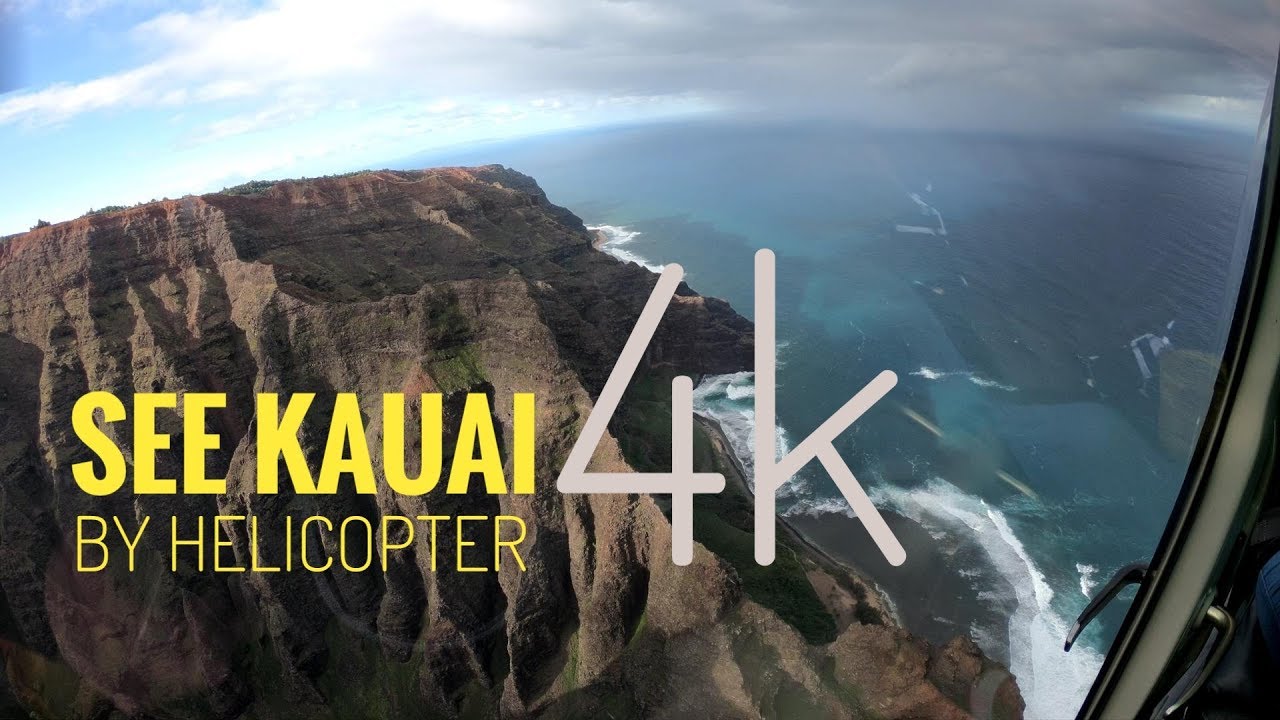
Kauai Safari Helicopter Tour - 4k - GoPro HERO6 Black

KAUAI, HAWAII - $360 Private Helicopter Tour 🚁 | Jurassic Park Falls, Waimea Canyon, Napali Coast
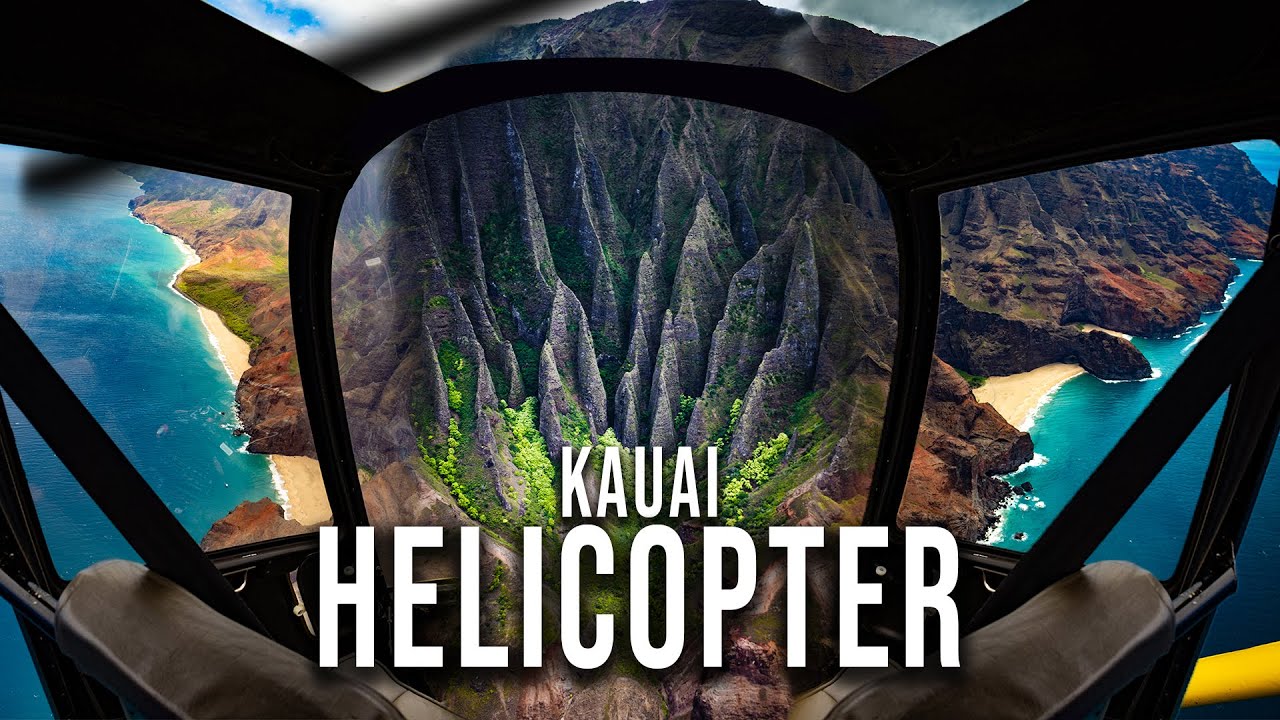
HELICOPTER Tour of KAUAI | Mauna Loa Helicopter tours

How to Explore Kauai’s Napali Coast: Hike, Helicopter & Boat Tours
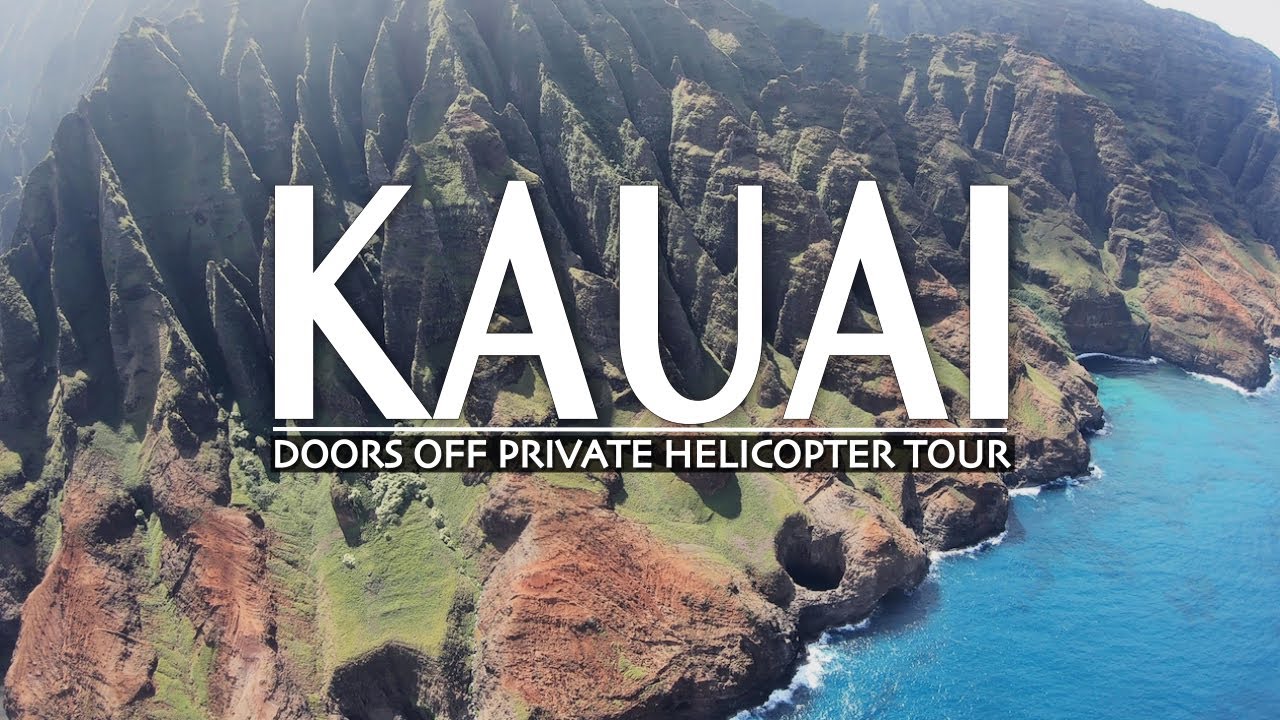
Private Helicopter Tour of Na'Pali Coast in Kauai (Doors Off!)
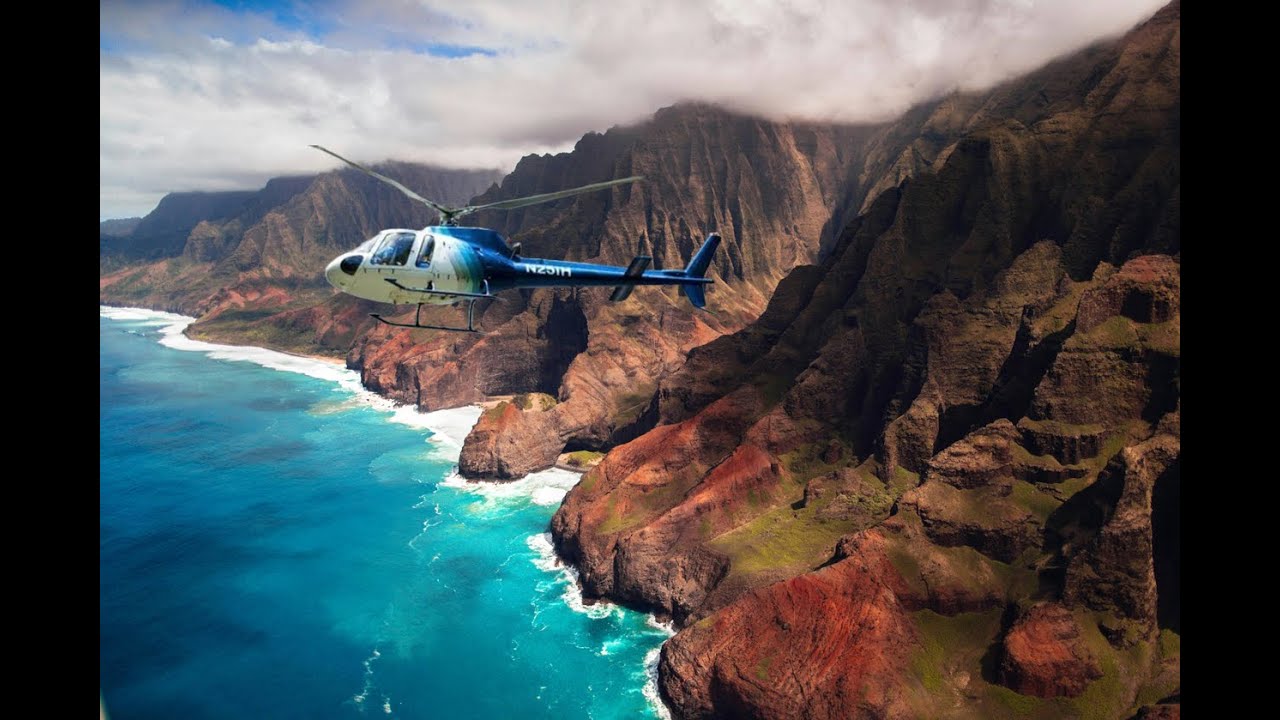
The Best Helicopter Tour on Kauai! - Island Helicopters

KAUAI HELICOPTER TOUR & JURASSIC PARK WATERFALL LANDING | Manawaiopuna Falls | Jurassic Falls Hawaii
