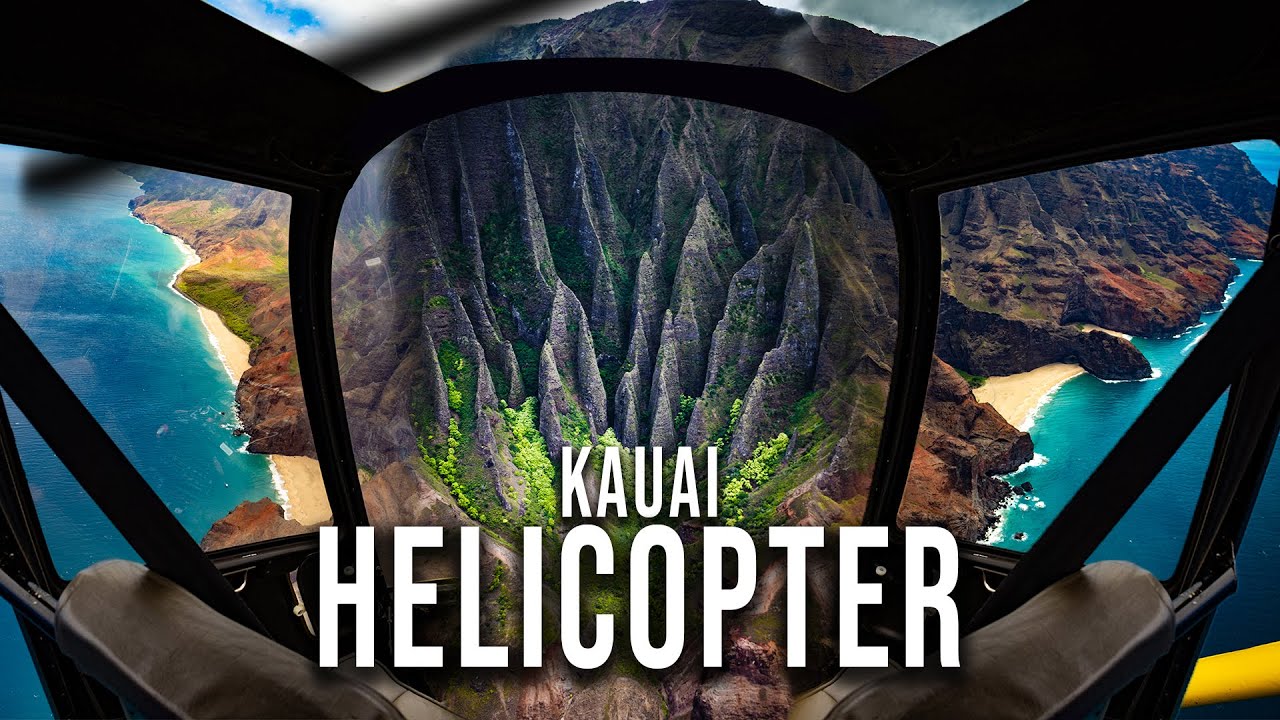
Waimea Canyon
What Waimea Canyon Is
Waimea Canyon is a large, dramatic gorge located on the island of Kauai in Hawaii. Often called the "Grand Canyon of the Pacific," it stretches approximately 10 miles long, reaches depths of up to 3,600 feet, and spans widths of nearly a mile in some sections. The canyon's distinctive reddish and orange-hued cliffs create a striking visual landscape that contrasts sharply with the lush tropical vegetation surrounding it, making it one of Hawaii's most recognizable natural features.
The canyon was carved over millions of years by the Waimea River, which continues to flow through its base. The erosion process, combined with the island's volcanic geology, has created a deep, winding valley with steep canyon walls, multiple waterfalls, and diverse ecosystems. Waimea Canyon is now protected as a state park and serves as both a major tourist destination and an important natural and cultural landmark for the Hawaiian islands.
How Waimea Canyon Works
Waimea Canyon's formation is the result of geological processes spanning millions of years. Kauai itself is the oldest of the main Hawaiian islands, formed by volcanic activity. After the initial volcanic shield-building phase ended, the Waimea River began flowing down from the island's interior, carrying water from the abundant rainfall that falls on Kauai's high elevations—some areas receive over 400 inches of rain annually.
The river's persistent flow eroded the volcanic rock layer by layer, gradually deepening and widening the valley. The exposed walls reveal different geological layers, displaying the island's volcanic history through various colored bands of lava flows, ash, and weathered rock. The canyon's red and orange coloring comes from iron oxide in the volcanic rock, which becomes more visible as the surface weathers and oxidizes. The river continues this erosional work today, though at a very slow pace, constantly refining the canyon's shape and carrying sediment downstream toward the sea.
Why Waimea Canyon Matters and Where It's Visited
Waimea Canyon is significant for multiple reasons. Geologically, it provides valuable insight into Kauai's volcanic past and the power of water erosion over deep time. The canyon's ecosystems support native Hawaiian plants and animals found nowhere else on Earth, making it ecologically important for conservation efforts. Culturally, the canyon holds meaning for Native Hawaiians and represents an integral part of the island's identity and landscape heritage.
As a visitor destination, Waimea Canyon attracts thousands of people annually. The main viewpoint, accessible by car near the town of Waimea, offers panoramic views of the entire canyon system. Visitors can also explore the canyon through hiking trails of varying difficulty, from short walks to multi-hour treks that descend into the canyon itself. A Kauai helicopter tour provides an aerial perspective that showcases the full scale and intricacy of the canyon's landscape. The site has become central to Kauai's tourism economy while remaining a place where visitors can experience Hawaii's natural grandeur.
Frequently Asked Questions About Waimea Canyon
How long does it take to visit Waimea Canyon?
A visit to the main viewpoint can take as little as 30 minutes to an hour if you're simply viewing from the overlook. However, if you plan to hike into or around the canyon, you should allocate several hours. Day-long visits are common for those combining multiple viewpoints and trails. The best time of day for a helicopter tour varies depending on weather and lighting conditions, typically mid-morning or late afternoon when visibility is clearest.
Is Waimea Canyon similar to the Grand Canyon?
While both are impressive canyons carved by rivers, they differ significantly in scale, climate, and geology. The Grand Canyon is vastly larger and older, with a more arid desert environment. Waimea Canyon is smaller, younger in geological terms, and situated in a tropical setting with significantly more vegetation and rainfall. The nickname "Grand Canyon of the Pacific" reflects their visual similarity rather than direct equivalence.
What is the best time to visit Waimea Canyon?
The driest months—May through September—generally offer the clearest views and most comfortable hiking conditions. However, the canyon can be visited year-round. Early morning visits often provide clearer atmospheric visibility before clouds build up in the afternoon. Rain is common on Kauai, so waterproof gear is recommended even during drier seasons. Checking weather forecasts before planning a visit ensures optimal viewing conditions.
Can you swim in the Waimea River?
Swimming is not recommended in most sections of the Waimea River due to strong currents, slippery rocks, and variable water levels that can change rapidly. Some lower sections near the coast may be accessible for swimming, but conditions vary seasonally. Always check local guidelines and ranger recommendations before attempting any water activities in or around the canyon.
Further reading: Waimea Canyon on Wikipedia · Google Scholar
Recent videos that cover Waimea Canyon

Exploring Kauai In A DOORS OFF Helicopter Ride, By Boat, And By Land!

EXPLORING KAUAI, HAWAII 🌺 Waimea Canyon, Helicopter Ride & More! Ep 3
Safari Helicopter tour over Kauai - Full Tour

Kauai Helicopter Tour - Na Pali Coast - Waimea Canyon

AIR KAUAI HELICOPTER TOURS, 4K Raw Unedited Stunning Views, Helicopter ASMR

Best Helicopter Tour on Kauai - Jack Harter Helicopters

KAUAI, HAWAII - $360 Private Helicopter Tour 🚁 | Jurassic Park Falls, Waimea Canyon, Napali Coast

Doors Off Helicopter Tour Over Kauai – The Most Epic Way to See the Island!