
Doors-Off Helicopter
What a Doors-Off Helicopter Is
A doors-off helicopter is an aircraft that has had its doors removed before flight, allowing passengers to have an unobstructed view and direct exposure to the open air while airborne. These helicopters typically carry a small number of people—often just a pilot and a few passengers—and are flown at moderate altitudes and speeds to maintain safety while the cabin remains completely open to the outside environment.
The concept has become popular as a tourist attraction and for professional purposes like aerial photography and filming. Passengers sit in specially designed seats with safety harnesses, experiencing the sensation of flying with nothing between them and the sky. The open configuration offers a dramatically different experience compared to a standard enclosed helicopter.
How a Doors-Off Helicopter Works
The basic mechanics of a doors-off helicopter are not fundamentally different from a standard helicopter—it still uses rotating rotor blades to generate lift and can move in all directions. The primary modification is structural and involves the complete removal of the cabin doors, sometimes including parts of the door frames, to create maximum visibility and openness.
Passengers are secured with multi-point safety harnesses that are anchored to the aircraft frame. These harnesses distribute the force of an impact across the wearer's body and keep them firmly seated even during maneuvers, wind, or in case of emergency. The helicopter is operated at controlled altitudes—typically between 500 and 3,000 feet—and at moderate speeds to minimize wind buffeting while still allowing for meaningful aerial experiences.
The pilot maintains standard flight controls and instruments, following all normal aviation protocols. The absence of doors does not compromise the helicopter's aerodynamic stability; however, it does affect cabin pressurization and heating, so flights are typically shorter and conducted in appropriate weather conditions. Some doors-off helicopters are equipped with modifications to the airframe to improve structural integrity where doors once attached.
Why Doors-Off Helicopters Matter and Where They're Used
Doors-off helicopter flights have become a significant tourism offering in many scenic locations around the world. Destinations with dramatic landscapes—mountains, coastlines, waterfalls, canyons, and urban skylines—market these experiences to visitors seeking extreme or unique perspectives. The unobstructed view and sense of openness create a more immersive experience than window-based aerial tours, making them popular for adventure tourism and bucket-list experiences.
Beyond tourism, doors-off helicopters serve important professional applications. Aerial photographers and cinematographers use them to capture footage without reflections or obstructions from windows, which is essential for high-quality film and photography production. Emergency services, search and rescue operations, and scientific research may also use doors-off configurations when direct aerial observation or rapid deployment is necessary. Military and law enforcement training sometimes incorporates doors-off flights to prepare personnel for helicopter-based operations.
The commercial viability of doors-off helicopter tours has created a specialized segment of the aviation industry, with dedicated operators, trained pilots, and safety protocols designed specifically for this activity. This has also driven innovations in passenger restraint systems, structural modifications, and safety procedures tailored to the unique demands of open-cabin flight.
Frequently Asked Questions About Doors-Off Helicopters
Is it safe to fly in a doors-off helicopter?
Doors-off helicopter flights are regulated by aviation authorities in each country and must meet strict safety standards. Operators must be licensed, pilots must have specific training, and aircraft must pass regular inspections. Safety harnesses are engineered to prevent passenger ejection even under extreme conditions. That said, any flight carries inherent risks, and doors-off flights expose passengers to the elements and different environmental stresses than enclosed aircraft. Reputable operators maintain strong safety records by adhering to weather restrictions, altitude limits, and rigorous maintenance protocols.
What should someone expect during a doors-off helicopter ride?
Passengers will experience significant wind noise and buffeting, which can be surprising even with advance warning. The sensation of exposure is intense—there is nothing between the passenger and the open air except a safety harness. Most flights last 20 to 45 minutes and follow a predetermined route over scenic areas. Depending on the location, passengers might see mountain ranges, coastlines, city landmarks, or natural waterfalls. The experience is typically exhilarating and can feel surreal due to the combination of speed, altitude, and openness.
Can anyone take a doors-off helicopter tour?
Most operators have age, weight, and health restrictions. Passengers typically must be at least 12 to 16 years old and within a specified weight range to ensure proper safety harness fit and aircraft balance. Individuals with certain medical conditions—heart problems, severe claustrophobia or the opposite fear of heights, neck or back injuries, or recent surgery—may not be cleared to fly. Pregnancy is usually a disqualifying condition. Prospective passengers should consult with the operator about specific restrictions and medical clearance before booking.
How do doors-off helicopters stay stable without doors?
Removing doors does not significantly affect a helicopter's aerodynamic stability if the aircraft is properly maintained and balanced. The helicopter's rotor system and fuselage design provide inherent stability. What changes is the cabin environment—there is less protection from wind and weather, and passengers experience more environmental sensation. Pilots control speed and altitude to minimize turbulence. The aircraft's structural integrity at door attachment points may be reinforced to compensate for the missing doors, ensuring the frame remains as strong as the original design.
Further reading: Doors-Off Helicopter on Wikipedia · Google Scholar
Videos that cover Doors-Off Helicopter

Unbelievable Helicopter Ride With Doors Off - Searching For Nyc's Ultimate Skyline View!

FlyNYON Helicopter Ride Over New York City | Open Door Adventure Full Experience from Co-Pilot Seat

Maui, Hawaii | DOORS-OFF Helicopter Tour 😱

Maui Helicopter Tour Doors Off | Maui Hawaii Travel Guide 4K
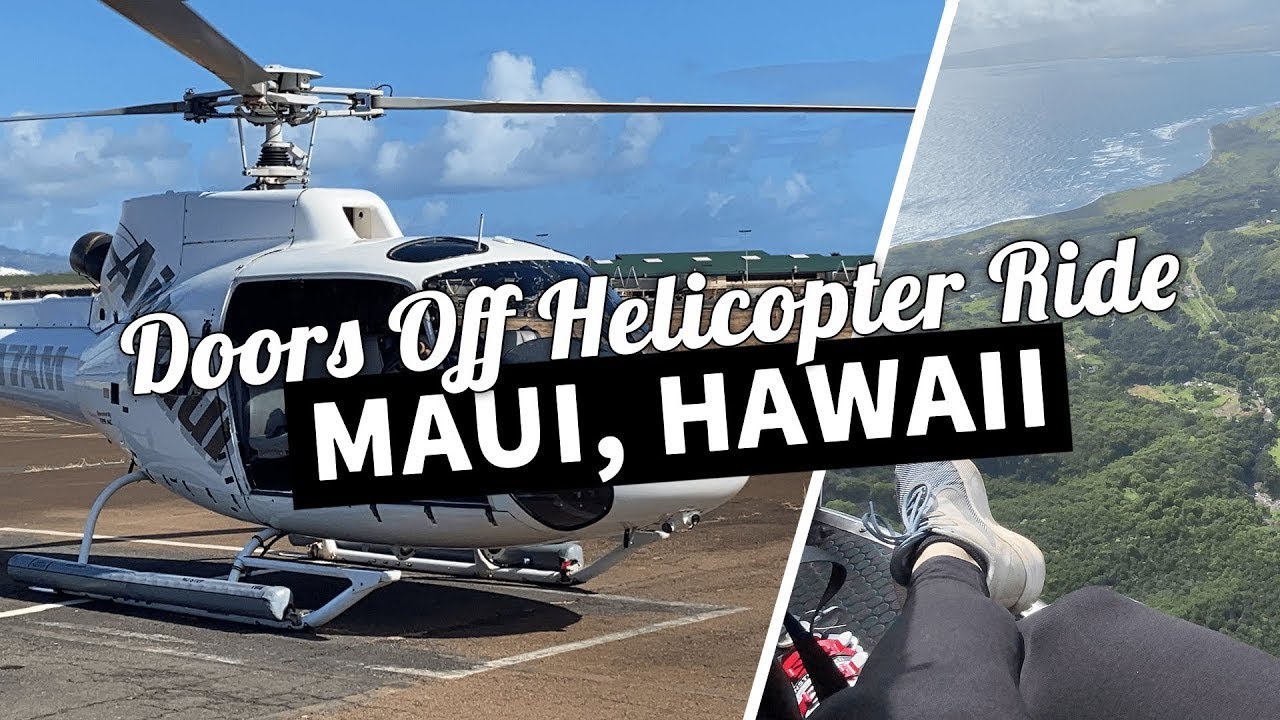
Air Maui Helicopter Ride | Maui From Above

Maui helicopter tour - Doors off epic trip with Air Maui 4K

Hawaii Helicopter tours Maui | Top 5

DOORS OFF HELICOPTER TOUR OAHU HAWAII l WHAT TO EXPECT + IS IT WORTH IT?! // HAWAII TRAVEL VLOG

How to Explore Kauai’s Napali Coast: Hike, Helicopter & Boat Tours

Private Helicopter Tour of Na'Pali Coast in Kauai (Doors Off!)

Grand Canyon Helicopter Tour From Vegas | 2026 - Best 5
