
Everest Base Camp
What Everest Base Camp Is
Everest Base Camp is a staging area and settlement located on the south side of Mount Everest in the Khumbu region of Nepal. It sits at an elevation of approximately 5,364 meters (17,598 feet) above sea level, on the Khumbu Glacier. The site serves as the primary launching point for climbers attempting to summit Everest via the Southeast Ridge route, which is the most commonly used approach from the Nepal side.
The camp is not a single structure but rather a collection of tents, equipment depots, and temporary facilities that can accommodate hundreds of people during the climbing season. It operates as a semi-permanent outpost where climbers acclimatize to high altitude, receive supplies, and make final preparations before attempting the ascent to the summit. The camp typically functions as a transit hub, with climbers spending several days there before moving higher up the mountain.
How Everest Base Camp Works
Everest Base Camp operates on a seasonal basis, primarily during spring (March to May) and autumn (September to November) when weather conditions are most favorable for climbing. During these periods, commercial operators, independent climbing teams, and support staff establish the camp. The infrastructure is entirely temporary—tents are set up, water is collected from melting glacier ice, and waste management systems are put in place.
The camp functions as an altitude acclimatization stop. Climbers arriving from lower elevations spend several days at base camp to allow their bodies to adapt to the reduced oxygen levels at high altitude. This process, called acclimatization, is crucial for preventing altitude sickness. While at base camp, climbers rest, consume high-calorie food, drink fluids, and participate in light activity. They also receive weather briefings, equipment checks, and final health assessments from expedition doctors. Supplies and communications are maintained through a network of porters and local guides who regularly travel between base camp and lower settlements in the Khumbu valley.
The camp is also a logistical hub where teams organize their climbing permits, coordinate with local sherpa staff, and store excess equipment that won't be needed during the climb. As climbers make their summit attempt, they move through higher camps (Camp I, II, III, and IV) on the mountain. Base camp serves as the return point for rest and recovery between acclimatization rotations or for final departure after the climb is completed.
Why Everest Base Camp Matters and Where It's Used
Everest Base Camp is essential to the entire enterprise of Everest climbing from the Nepal side. Without this acclimatization and staging facility, climbers would face much higher risks of altitude sickness and would lack a safe place to organize complex logistics on the mountain. The camp has become the standard model for high-altitude mountaineering operations on Everest and on other major peaks worldwide.
Beyond mountaineering, Everest Base Camp has become a significant tourist destination in its own right. Trekkers who do not intend to climb Everest often hike to the base camp as their destination, making it a popular endpoint for multi-day treks in the Khumbu region. This has transformed the camp into an economic driver for local communities in Nepal, creating income through porter services, guide work, and accommodation businesses. The camp also serves as a focal point for research—scientists study atmospheric conditions, glacier dynamics, and high-altitude physiology in this extreme environment. Additionally, the camp has become a symbol of human ambition and endurance in popular culture, featuring prominently in climbing documentaries and adventure media.
Frequently Asked Questions about Everest Base Camp
Can tourists visit Everest Base Camp without climbing the mountain?
Yes, trekking to Everest Base Camp is one of the most popular trekking routes in Nepal. The trek typically takes 12-14 days from the town of Lukla and does not require mountaineering experience or specialized climbing equipment. Trekkers hike through the Khumbu valley, passing through sherpa villages and forests, before reaching base camp. This trek is accessible to people in reasonable physical condition, though the high altitude can cause discomfort for some visitors.
What are the main dangers at Everest Base Camp?
The primary health risk at base camp is acute mountain sickness (AMS), caused by reduced oxygen at high altitude. Symptoms include headaches, nausea, and fatigue. Some people are more susceptible than others. The extreme cold, strong winds, and isolation also pose challenges. Additionally, the Khumbu Icefall—an unstable section of glacier between base camp and Camp I—is one of Everest's most dangerous areas, with avalanches and crevasse collapses claiming lives most climbing seasons. Medical facilities at base camp are limited, so serious emergencies require evacuation.
What is the environmental impact of Everest Base Camp?
The camp generates significant waste, including empty oxygen bottles, food packaging, and human waste. During peak seasons, the camp can have environmental consequences for the pristine Khumbu Glacier. Efforts have been made to manage waste better—including organized cleanup expeditions and stricter regulations requiring climbers to remove their trash. The camp's existence and the associated tourism and climbing activity have changed the local environment and culture of the Khumbu region, though the camp itself is dismantled at the end of each climbing season.
How many people are at Everest Base Camp at one time?
The population at base camp varies seasonally. During peak climbing season, several hundred people may be present—including climbers, sherpa staff, guides, cooks, and support personnel from various commercial expeditions. When trekkers are also visiting, the numbers can grow further. Outside the main climbing seasons, the camp is essentially empty. The exact capacity is flexible since the camp is entirely temporary and tents can be added or removed based on demand.
Further reading: Everest Base Camp on Wikipedia · Google Scholar
Videos that cover Everest Base Camp

Mount- Everest Helicopter Tour 22,000 ft, Feriche to EBC.

Mount Everest Overview 4K. Helicopter Tour, 14peaks, Gokyo, Lhotse, Nuptse, Ama Dablam.
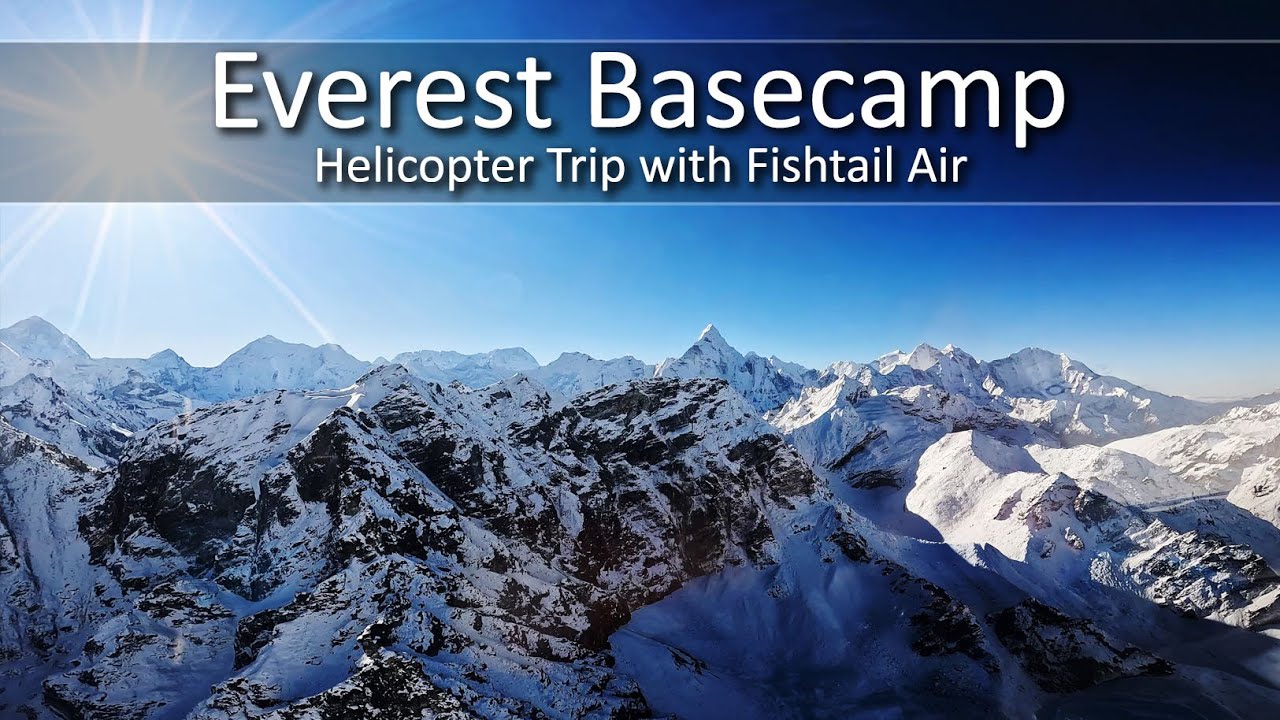
Everest Basecamp - Helicopter Tour

Everest Base Camp Helicopter Tour | Itinerary & Landing Full Guide | Everest Helicopter Service
