
Napali Coast
What is Napali Coast
Napali Coast is a dramatic stretch of sea cliffs located on the northwestern shore of Kauai, one of the Hawaiian Islands. The name "Napali" means "the cliffs" in Hawaiian, which directly describes this natural landmark's most striking feature: towering, jagged cliffs that rise directly from the ocean, reaching heights of up to 4,000 feet in some places. This 17-mile coastal section is characterized by deep valleys, lush vegetation, and pristine beaches nestled at the base of the cliffs, creating one of the most visually distinctive coastlines in the world.
The Napali Coast is largely inaccessible by road, which has preserved its wild and remote character. The cliffs themselves are nearly vertical in many sections, carved by millennia of water erosion and shaped by the island's volcanic geology. The landscape alternates between sheer cliff faces and verdant valleys, with waterfalls cascading down the mountainsides, especially during rainy seasons. This combination of natural drama, isolation, and beauty has made Napali Coast one of Hawaii's most iconic destinations.
How Napali Coast Works Geologically
Napali Coast's distinctive formations are the result of geological processes spanning millions of years. The cliffs were initially formed by volcanic activity that created Kauai itself. Over time, the softer volcanic rock has been relentlessly eroded by wave action, rainfall, and groundwater seepage. The differential erosion of various rock layers—some harder and more resistant than others—has created the complex, sculptured appearance of the cliffs.
The valleys visible along Napali Coast, such as Kalalau Valley and Honopu Valley, were carved primarily by streams and rivers flowing from the higher elevations down to the sea. As these waterways cut through the volcanic landscape over millions of years, they deepened and widened, eventually reaching the ocean and leaving behind the dramatic valley formations seen today. The continued action of waves, particularly during winter storms, shapes the base of the cliffs and maintains the steep coastal profile. The porous volcanic rock allows water to percolate through, which weakens the cliff structure from within and contributes to occasional rockfalls and cliff collapses.
Why Napali Coast Matters and Where It's Used
Napali Coast holds significance across multiple domains. Culturally and historically, the region is deeply important to Hawaiian heritage. Several valleys along the coast were once inhabited by Native Hawaiians, and the area contains archaeological sites, including ruins of ancient settlements. Traditional Hawaiian practices and knowledge systems are connected to this landscape, making it important to cultural preservation and indigenous Hawaiian identity.
Ecologically, Napali Coast is home to unique plants and animals found nowhere else on Earth. The remote and largely undisturbed nature of the area has allowed endemic species to thrive. The coastal waters support marine life including monk seals and native fish species. Conservationists recognize the coast as an important area for biodiversity protection.
Economically and recreationally, Napali Coast draws visitors from around the world, supporting tourism-related industries. People access the coast through hiking trails, boat tours, helicopter tours, and helicopter flights that provide aerial views. These activities generate revenue for local businesses and communities while creating jobs. The iconic imagery of Napali Coast has also made it a popular subject in film, television, and photography, enhancing Kauai's global reputation as a destination.
Frequently Asked Questions About Napali Coast
Can you drive to Napali Coast?
No, there is no road access to Napali Coast itself. Visitors cannot drive directly to view the cliffs from the water's edge. Access is limited to hiking trails (most notably the Kalalau Trail, which is approximately 11 miles one way), boat tours departing from nearby harbors, helicopter tours, and airplane flights. This lack of road access has actually helped preserve the area's natural character.
Is it safe to hike to Napali Coast?
The Kalalau Trail, which provides foot access to parts of Napali Coast, is considered moderately to steeply challenging and requires fitness and experience. The trail involves steep elevation changes, narrow sections, and potential hazards including loose rock, slippery surfaces when wet, and exposure to drops. Weather conditions can change rapidly. While many people hike the trail successfully each year, it requires preparation, proper footwear, and caution. Some sections are closed seasonally due to safety concerns or maintenance.
What is the best time of year to visit Napali Coast?
The summer months (May through September) generally offer calmer ocean conditions, making boat tours more feasible and comfortable. Winter months bring larger waves and rougher seas, which can make water-based access difficult or impossible. However, winter also brings increased rainfall, which creates more visible waterfalls cascading down the cliffs—a visually spectacular phenomenon. The choice depends on whether visitors prioritize ease of access or dramatic water features in their visit.
Are there beaches along Napali Coast?
Yes, there are several beaches tucked into the valleys along Napali Coast, though they are remote and accessible primarily by hiking or boat. Kalalau Beach is the most well-known, located at the end of the Kalalau Trail. Honopu Beach is another notable but smaller beach accessible primarily by experienced hikers or boat. These beaches are pristine and less crowded than easily accessible beaches elsewhere on Kauai, though reaching them requires effort and carries inherent risks.
Further reading: Napali Coast on Wikipedia · Google Scholar
Videos that cover Napali Coast

How to Explore Kauai’s Napali Coast: Hike, Helicopter & Boat Tours
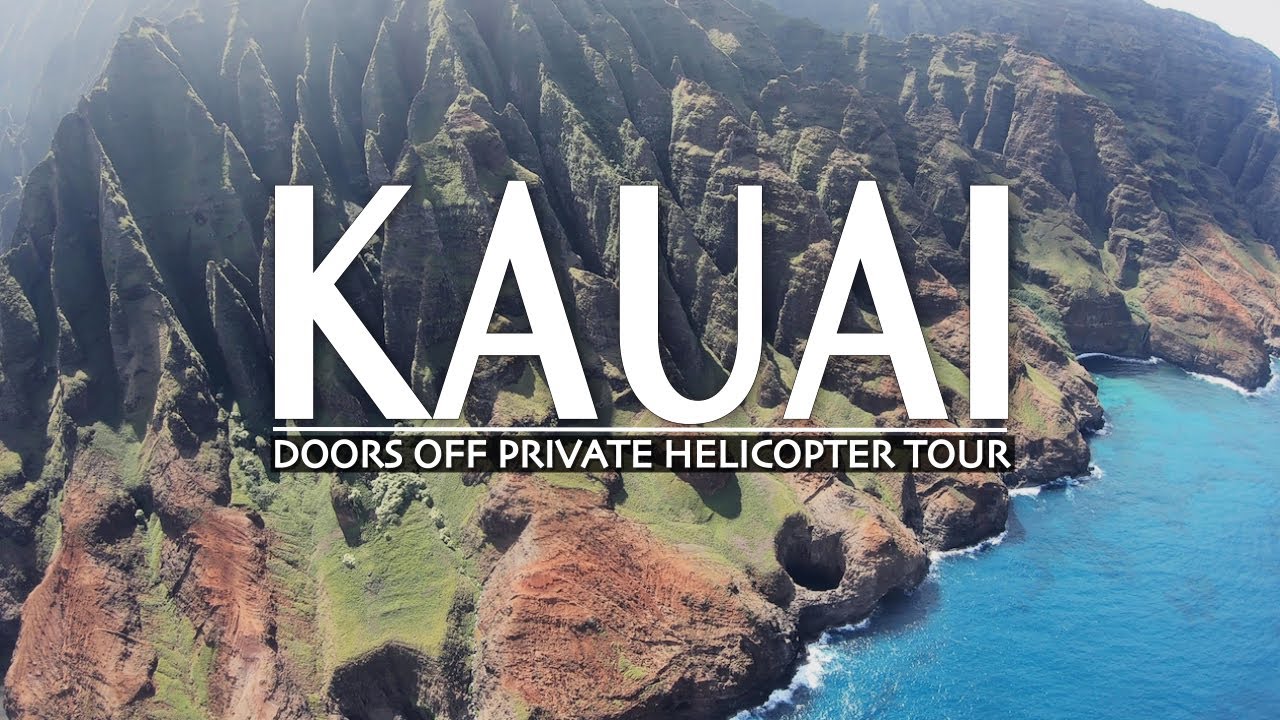
Private Helicopter Tour of Na'Pali Coast in Kauai (Doors Off!)
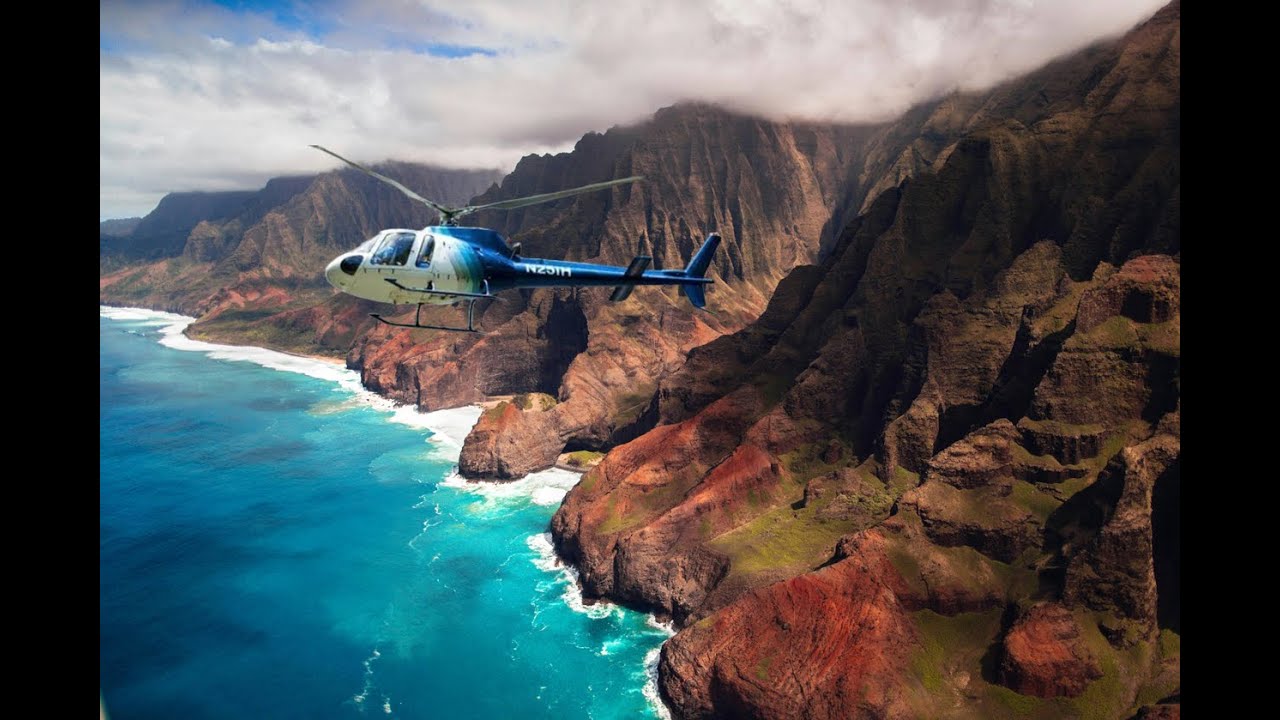
The Best Helicopter Tour on Kauai! - Island Helicopters

KAUAI HELICOPTER TOUR & JURASSIC PARK WATERFALL LANDING | Manawaiopuna Falls | Jurassic Falls Hawaii

Is This The Best Helicopter Tour in the World? Jack Harter Kauai

WHAT TO EXPECT from Kauai Helicopter Tours | Hawaii Vlog
