
What Is AI? | Learn all about artificial intelligence
At a glance
- Length
- 5 min
- Channel
- Learn Bright
- Video from
- Dec 2024
- Rating
- ⭐⭐ Great video · 2/2
- Best for
- Teachers, parents, and students aged 8–12 learning AI basics
What this video answers
- What exactly does the video define as artificial intelligence?
- How does the video explain the different levels or types of AI?
- What are the main advantages of AI that the video highlights?
- What disadvantages or concerns does the video raise about AI?
- Does the video take a stance on whether AI is good or bad?
Understanding Artificial Intelligence: A Video Guide for Young Learners
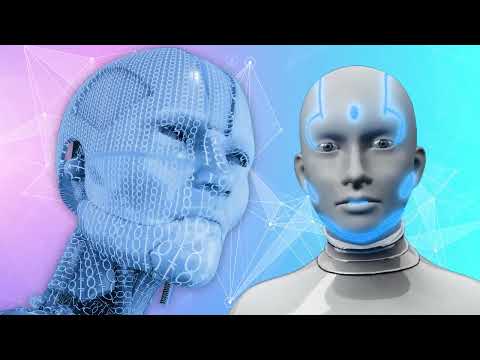
Learn Bright's educational video breaks down artificial intelligence into digestible concepts for elementary-aged students and curious adults alike. The instructor defines AI as the combination of computer science, large datasets, and problem-solving capabilities—avoiding technical jargon while maintaining accuracy. Rather than overwhelming viewers with theory, the video grounds AI in everyday examples: Siri, Alexa, Google Assistant, and chatbots that handle customer service interactions.
The overall impression is that this is a well-structured introduction that respects the audience's intelligence without condescending. It acknowledges that AI exists on a spectrum of sophistication and honesty presents both benefits and serious drawbacks, leaving viewers to form their own conclusions rather than pushing a single narrative.
Key Moments
What Makes This AI Explanation Stand Out
- Three-tier AI classification: The video introduces ANI (narrow), AGI (general), and ASI (super) intelligence, clarifying that today's AI is almost exclusively ANI—a crucial distinction that prevents misconceptions about current capabilities.
- Concrete real-world applications: Examples span from voice assistants to robotics handling toxic chemicals and space missions, showing AI's practical range without requiring specialized knowledge.
- Balanced pros and cons: The video lists five advantages (automation, time savings, human safety, new discoveries, reduced error) against six disadvantages (cost, job displacement, environmental impact, content plagiarism, security risks, and energy drain)—refusing to pretend the technology is purely beneficial.
- Environmental and economic realism: The mention of AI server farms consuming water and energy, and the billions-dollar price tag, adds crucial context often missing from promotional AI content.
- Accessible review questions: The closing true/false, fill-in-the-blank, and open-ended prompts help reinforce learning without feeling like a test.
- Ethical framing: The final message—that AI is here to stay and understanding it matters—positions the viewer as a potential future innovator rather than a passive observer.
Who Should Watch This AI Overview
This video suits parents and educators introducing AI to children ages 8–12, as well as adults who want a quick, non-technical foundation before diving into more specialized AI topics. The pacing and vocabulary work for homeschoolers, classroom teachers, and anyone seeking clarity without overwhelming depth. It's particularly valuable for people hesitant about technology who need reassurance that understanding AI doesn't require a computer science degree.
The verdict: essential viewing for anyone responsible for educating young people about emerging technology, and worthwhile even for adults who think they already understand AI but haven't considered its environmental or labor-related downsides.
Common Questions About This Artificial Intelligence Video
What exactly does the video define as artificial intelligence?
The video defines AI as a combination of computer science, large datasets (or information), and problem-solving. It emphasizes that AI is currently used mainly for automation—handling tasks and decisions that used to require human intervention.
How does the video explain the different levels or types of AI?
The video presents three categories: ANI (Artificial Narrow Intelligence), which is what we use today and excels at specific tasks; AGI (Artificial General Intelligence), which would function like human-level reasoning and is considered the likely next phase; and ASI (Artificial Super Intelligence), which remains theoretical and would exceed human intelligence.
What are the main advantages of AI that the video highlights?
The key benefits include streamlining repetitive tasks, saving time, protecting humans from dangerous work, enabling new technological discoveries, and reducing human error. The video illustrates these with examples like robots mixing toxic chemicals instead of people.
What disadvantages or concerns does the video raise about AI?
The video identifies high costs (billions of dollars), potential job losses, substantial environmental impact from data centers, misuse for content plagiarism, and security vulnerabilities from hackers. These are presented as legitimate trade-offs rather than theoretical problems.
Does the video take a stance on whether AI is good or bad?
No—the video deliberately avoids declaring AI inherently good or harmful. Instead, it presents the facts and tells viewers they must decide whether the benefits outweigh the risks, encouraging critical thinking rather than acceptance or rejection of the technology.

Key Terms
- Machine learning
- The ability of a computer program to learn and improve from experience without being explicitly programmed for each scenario.
- Chatbot
- A computer program designed to simulate human conversation and respond to text or voice input.
- Voice recognition
- Technology that identifies and responds to spoken commands and questions.
- Automation
- Using AI or machines to perform tasks that humans previously did manually.
- Artificial narrow intelligence (ANI)
- AI that excels at one specific task, which describes all AI currently in use today.
Sources: Machine learning · Chatbot · Voice recognition · Automation · Artificial narrow intelligence (ANI) — definitions cross-referenced with Wikipedia

Video by Learn Bright on YouTube. If you enjoyed it, please subscribe to their channel and show your support for the great video.
Description
What exactly is artificial intelligence? Did you know there are different levels? This video for kids discusses how people use AI and outlines some of the the pros and cons of using it.
If you have used Siri or Google Assistant, or asked a question to Alexa, then you are using a form of artificial intelligence. These all use voice recognition and machine learning to answer questions and respond to requests. If you have ever contacted customer service online to get help, then more than likely, your conversation began with a chatbot, a computer-designed program that simulates human conversation. Chatbots were not always considered AI because they could not learn or adapt. However, chatbots have recently become more sophisticated and are increasingly using the power of AI learning.
There are several beneficial uses for AI, and even more when you pair AI with robotics. For example, we are automating tasks that are unsafe for humans, like mixing toxic chemicals. Many of the products we use today incorporate some form of AI in making the products. But AI is expensive, it can be weaponized, and it can result in the loss of jobs for humans, among other things. While none of us can predict the future, AI is here. What we cannot do is overestimate the power of good or underestimate the potential for disaster. Do the pros outweigh the cons? You'll have to decide!
We hope you and your student(s) enjoyed learning about artificial intelligence! If you want to learn even more, head over to our website and download one of our many lesson plans, full of activities, worksheets, and more!
https://learnbright.org/lessons/science/artificial-intelligence/
Thank you for watching and learning with us! We’re constantly releasing new content and videos, so click that “Subscribe” button and you’ll get notified.
What you will learn in What Is AI?:
0:00 Introduction
0:26 What is artificial intelligence?
1:11 ANI, AGI, and ASI
2:06 Pros of using AI
3:11 Cons of using AI
4:08 Review of the facts
Find and Follow Us Online:
Facebook: https://www.facebook.com/LearnBright/
Instagram: https://instagram.com/LearnBrightEducation
Pinterest: https://pinterest.com/LearnBrightEducation
YouTube: @LearnBright
Website: https://learnbright.org/
*Teachers and Parents! Did you know? In addition to these great videos, we have also created a library of high-quality and engaging lessons for your elementary aged student(s). Visit us, sign up for a free account, and instantly you'll have access to thousands of lesson plans, learning materials, teaching instructions, activities, and assignments that your kids will really enjoy! We hope to see you soon!
Browse our entire collection of Science lesson plans: https://learnbright.org/lessons/?filter_subject=science
#ai
#artificialintelligence
#aiforkids
Video transcript Accessibility
A full written transcript of this video, provided for accessibility. Select any timestamp to jump the video to that moment.
[Music] what is AI have you ever asked Siri or Alexa to play your favorite song If so you have been interacting with artificial intelligence or AI for short today we are going to talk more about
AI let's start with what it is a simple way to describe AI is that it combines computer science large sets of data or information and problem solving currently most AI is used for automation this could mean you encounter AI when you use customer service over the phone or online they use voice recognition and
machine learning to answer questions and respond to requests or in the field of Robotics engineering this could mean automating tasks that are unsafe for humans like mixing toxic chemicals or piloting a space vehicle that is set to land on Mars this type of AI is an example of artificial narrow intelligence or a Ani
there are two other types of artificial intelligence a GI or artificial general intelligence and a SII which means artificial super intelligence AGI means that a computer can make decisions plan and function similarly to humans many experts think that that is the direction that AI is
currently headed but it isn't there yet ASI is still theoretical meaning that it is not based on real life just an idea but the thought behind ASI is that the intelligence of computers would exceed the intelligence of humans which would be pretty wild now that we are more aware of what AI is let's discuss some
pros and cons of its use Pros streamlines and automates repetitive tasks saves time saves humans from doing dangerous jobs allows for new technological discoveries lowers possibility of human error cons very expensive to execute potential loss of non-hazardous human jobs huge
environmental cost to maintain can be used to plagiarize art and other online content security risks from hackers one of the pros of using AI is that it streamlines and automates repetitive tasks it also saves a lot of time AI can save humans from doing dangerous jobs and and allows for new
technological discoveries AI also lowers the possibility of human error hm that doesn't sound so bad but wait we haven't discussed the cons yet a major con of AI is that it is very expensive to execute we are talking billions of dollars another con is that it could potentially cause humans to lose their jobs if you
care about the environment you should be aware that there is a huge environmental cost to AI if you're familiar with AI server Farms you already know that they take up a lot of space and drain energy and Water Resources AI can also be used to plagiarize art and other online content and there's always the threat of
security risks from hackers sounds like there's a lot to think about when you are deciding whether the positive IES of AI outweigh the negatives or vice versa we have just learned a lot about AI here are some questions to review true or false as of today ASI is purely theoretical true fill in the blank
currently the AI technology we use is an example of a ni which stands for artificial blank intelligence narrow name one pro and one con of AI use great job AI experts whether you think that AI is helpful or harmful it is here to stay so
it is important to understand it and its potential consequences perhaps one day you will be an innovator that finds a helpful and ethical way to use AI hope you had fun learning with us visit us at learn.org for thousands of free resources and TurnKey solutions for teachers and homeschoolers
[Music]
How videos are chosen here
Every video on Helicopterstour.com is hand-picked and reviewed by Justin — nothing is added automatically. Each one gets an original written guide and an honest rating: ⭐ 1 out of 2 means a good video worth your time, and ⭐⭐ 2 out of 2 means a great one we would recommend to anyone. The videos belong to their creators — every page links back to the original channel so you can subscribe and support them.