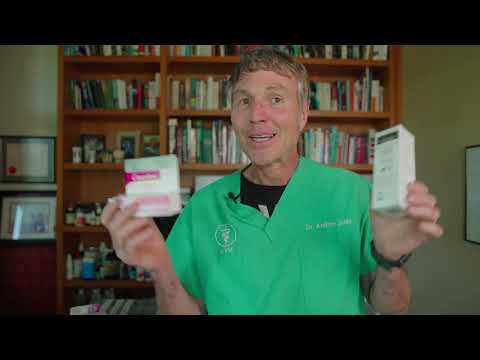
Over-the-Counter Pet Medications Dr. Jones Recommends
Dr. Andrew Jones walks through five over-the-counter human medications that are safe and effective for treating common pet ailments in dogs and cats. The video focuses on medications already found in most home medicine cabinets, making them accessible for pet owners facing mild digestive upset, allergies, or ear infections. Each medication comes with specific dosing guidelines for different pet sizes, plus practical administration tips.
The five medications cover the most frequent health complaints Dr. Jones encountered in veterinary practice: nausea and acid reflux, vomiting, diarrhea, allergic reactions, and ear infections with inflammation. The final remedy is a homemade topical combination that blends two OTC products into a single treatment—a practical option for dogs with recurring ear issues or environmental allergies triggering secondary yeast infections.
Key Moments
Key Dosages and Medications for Pet Care
- Famotidine (Pepcid): An antacid for nausea and acid reflux; dose is 2.5 mg per 10 pounds of body weight, given two to three times daily (a quarter of a 10 mg tablet for typical dogs and cats).
- Dimenhydrinate (Gravol): An anti-nausea medication; standard dose is 12.5 mg per 10 pounds, two to three times daily (a quarter of a 50 mg tablet).
- Loperamide (Imodium): An anti-diarrheal; use 0.1 mg per kilogram, two to three times daily (a quarter of a 2 mg capsule for most dogs and cats), but avoid it entirely in breeds with the MDR1 gene mutation such as Collies, long-haired Whippets, and Australian Shepherds.
- Cetirizine (Reactine/Zyrtec): An antihistamine for allergies without heavy drowsiness; dose is 5 mg (half a 10 mg tablet) per 10 pounds once daily for 24-hour relief.
- Clotrimazole and Hydrocortisone combination: A homemade topical blend using one teaspoon each of an antifungal cream and 1% hydrocortisone cream, applied to ears and inflamed skin twice daily for five days.
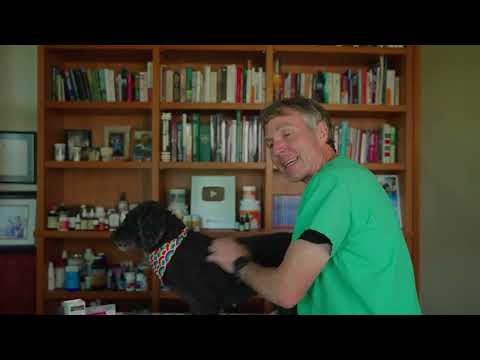
Why Home Remedies Matter for Pet Owners
Having safe OTC options at home can be the difference between a stressful emergency vet visit and managing a minor health issue overnight. Many pet owners call veterinary clinics after hours asking what they can safely give their pets—these five medications represent the most practical, well-tolerated answers Dr. Jones gave throughout his practice. Understanding proper dosing and recognizing which pets should avoid certain drugs (like the MDR1 carriers avoiding loperamide) empowers you to make informed decisions while still keeping your vet's guidance as your primary resource. The homemade ear and skin remedy is particularly valuable because it combines two proven treatments into one affordable preparation, offering relief without requiring a prescription for mixed formulations.
Common Questions About Over-the-Counter Pet Medications
Can I give my cat Pepcid without a vet's approval?
Famotidine is very safe and widely used in veterinary practice for both cats and dogs suffering from nausea, especially cats with renal failure. However, always consult your veterinarian before starting any medication to ensure it suits your cat's specific condition and doesn't interact with other treatments.
What is the MDR1 gene mutation and which dogs have it?
The MDR1 gene mutation affects how certain dogs process narcotics, opiates, and ivermectins. Approximately 70% of Collies worldwide carry this mutation, along with 50% of long-haired Whippets and 50% of Australian Shepherds. If your dog has this gene mutation, you should avoid loperamide and related medications entirely.
How quickly does loperamide work for diarrhea?
Most dogs and cats respond quickly to loperamide; Dr. Jones found that one to two days of treatment is typically sufficient to resolve diarrhea. Start at the low end of the dosing range (0.1 mg per kilogram) to minimize side effects.
Why is cetirizine better than Benadryl for pet allergies?
Cetirizine provides 24-hour allergy relief without the significant drowsiness side effects associated with Benadryl, making it more practical for daily use in pets with chronic environmental allergies or food sensitivities.
How do I apply the homemade ear cream to my dog?
Place about a quarter-inch of the mixed cream on your finger, tilt your dog's head back, insert your finger into the base of the ear canal, and rub the ear base thoroughly to work the medication down into the canal. Treat twice daily for five days for best results.