

For a helicopter tour, wear closed-toe, low-profile shoes, fitted clothing with no loose flaps, and a light jacket for layers, then secure your camera or phone with a strap. Everything else is detail. Follow the crew’s instructions once you’re on the ground and in the seat, since safety briefings always override any packing list, including this one.
TL;DR:
- Rotor wash and wind expose loose fabrics, jewelry, and floppy hats to risks, making fitted clothing, secure accessories, and closed-toe shoes critical for safety.
- Headsets are mandatory for hearing safety instructions and communication; testing their fit with your actual clothing before the flight prevents discomfort or safety issues.
- Bright or reflective clothing can compromise photo quality due to window reflections, so matte, non-reflective fabrics are recommended for clearer shots.
- Utility and doors-off flights require stricter gear and clothing, including warmer layers and no loose items, due to increased wind exposure and safety risks.
- Always check that your operator is FAA-certified and verify specific dress codes as rules vary between scenic, utility, and special tour types.
Table of Contents
- Helicopter Ride Dress Code Checklist: What to Pack and Wear
- Tops, Bottoms, and Fabric: What to Wear and Why
- Footwear, Hats, and Jewelry: What’s Safe to Wear Onboard
- Headsets, Weighing, and Baggage: Operator Rules That Shape Your Outfit
- Dressing for Better Helicopter Photos
- Layering for Temperature Swings at Altitude
- What Helicopterstour and Justin Recommend
- Do Rotor Wash and Wind Wreck Your Hair?
- Does the Dress Code Change for Different Types of Helicopter Rides?
- Why Most Dress Code Advice Misses the Point
- Find a Verified Helicopter Tour Through Helicopterstour
- Operator and Reference Pages to Check Before Your Flight
- Sources
- FAQ
Helicopter Ride Dress Code Checklist: What to Pack and Wear
Here’s what to lay out the night before, and why each item earns its spot in your bag.
- Closed-toe shoes with a flat sole — sneakers or hiking shoes give you traction on the tarmac and keep feet protected near the skids.
- Fitted pants — jeans or activewear won’t billow in rotor wash the way loose trousers can.
- A sleeved top — long or short sleeves that sit close to the arm, not a flowing blouse.
- A light jacket or windbreaker — cabin temperatures shift fast, especially at altitude or with doors off.
- Sunglasses and sunscreen — glare off windows and open-door flights add up over a 30 to 60 minute tour.
- A secure camera strap and a small zippered pocket or pouch — for your phone, lip balm, and boarding pass.
Skip flowy skirts or dresses, high heels, long scarves, and any large dangling jewelry. Wind, doors, and rotor wash treat loose fabric like a kite, and that’s the last thing you want mid-boarding. If you want a deeper packing rundown before your trip, Helicopterstour’s clothing, camera, and comfort tips guide covers gear beyond the basics.
Tops, Bottoms, and Fabric: What to Wear and Why
Fitted, non-flapping tops beat loose ones for a simple reason: rotor wash is strong enough to snap a loose shirt hem or scarf around during boarding, and that’s a distraction you don’t need while a crew member is walking you to your seat. Sleeves that sit close to the wrist, or a top with a button or snap cuff, stay out of the way once you’re buckled in and reaching for a camera or the door handle.
Bottoms matter just as much. Comfortable pants, jeans, or tailored activewear give you full range of motion for climbing in and out of the cabin, while skirts and dresses tend to catch wind exactly when you least want them to, right as you’re stepping across the skid. Operator guidance from Executive Flyers consistently points to fitted pants and sleeved shirts as the safer standard, and it’s advice worth taking at face value.
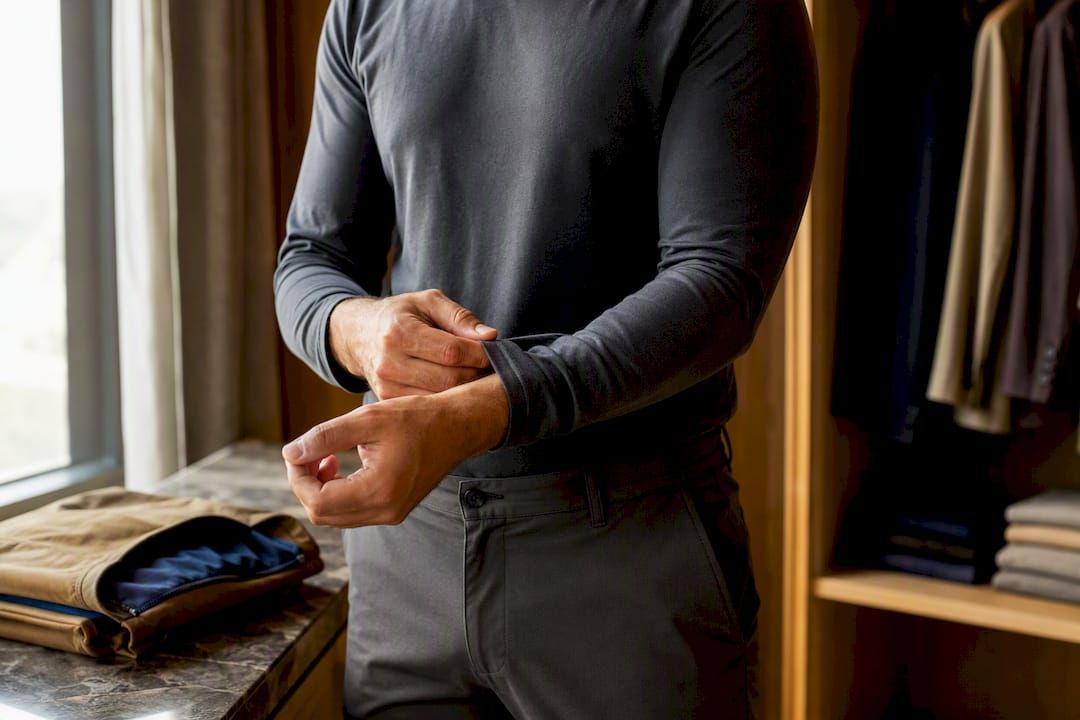
Fabric choice adds a second layer of benefit. Matte, non-reflective materials photograph better through tinted windows, and breathable, quick-dry fabrics handle the temperature swing between a hot tarmac and a cool cabin at altitude far better than heavy cotton.
Pro Tip: Look for tops with fastenable cuffs or a low-profile zipper at the collar. Both details cut down on fabric flapping near the window, which matters more than it sounds once the rotors spin up.
Footwear, Hats, and Jewelry: What’s Safe to Wear Onboard
Shoes get more scrutiny than any other clothing item, and for good reason. You’re walking across pavement, sometimes gravel, often near a spinning rotor, so grip and coverage aren’t optional.
- Closed-toe shoes with good tread — sneakers, hiking shoes, or boots all work.
- Skip heels and flip-flops — both create tripping risk on uneven tarmac or gravel.
- Bring a hat for sun protection, but plan to stow it during the flight — wide brims catch wind and can block your view or a crewmate’s.
- Secure or leave behind dangling jewelry and long scarves — anything that can swing, catch on a seatbelt buckle, or reflect glare into your photos is better left in the car.
A snug baseball cap or beanie usually survives boarding fine; anything with a floppy brim tends to become a hand-held item the moment the doors open.
Headsets, Weighing, and Baggage: Operator Rules That Shape Your Outfit
Every operator runs a preflight briefing, and a few of those rules directly affect what you should wear or bring. Headsets are the biggest one: they’re not a comfort accessory, they’re how you hear the pilot’s safety instructions and talk to other passengers over rotor noise. Traveler reports on TripAdvisor suggest trying your headset on with the exact jacket or hood you plan to wear, since a bulky collar can make the seal fit awkwardly.
Baggage rules matter too. Most operators require bags to fit in a specific stowage area or under your seat, so leave the oversized tote at the hotel.
Weighing policy, explained: some operators weigh passengers before boarding. This isn’t about judgment; it’s for weight-and-balance calculations that keep the aircraft safely loaded, and staff typically handle it quietly and discreetly at check-in rather than announcing numbers aloud.
Whatever the crew tells you about seating, headsets, or gear, follow it. Seat assignments often depend on weight distribution, not preference.
Dressing for Better Helicopter Photos
Clothing choices affect your photos more than most first-timers expect. Darker, matte fabrics reduce reflections bouncing off the window glass, which keeps your photos sharp instead of washed out by a shiny jacket sleeve in the corner of the frame. Photography guides focused on aerial tours back this up consistently.
Gear-wise, use a wrist or neck strap on any phone or camera. Skip loose lens hoods, tripods, or anything that isn’t clipped down, since a dropped item in a moving cabin is a real problem, not just an inconvenience. Many operators also cap what cameras you can bring aboard; a compact mirrorless or point-and-shoot is usually fine, but ask ahead if you’re planning to bring a full DSLR rig with extra lenses. Polarized sunglasses help your own eyes handle window glare too, even if they’re not doing your camera any favors.
Layering for Temperature Swings at Altitude
Dress in three layers: a moisture-wicking base layer, an insulating midlayer like a fleece or light sweater, and a wind shell on top. Helicopters feel colder than you’d expect for two reasons. Boarding often happens in open wind on an exposed tarmac, and cabins, while somewhat climate-controlled, cool noticeably as you climb in altitude.
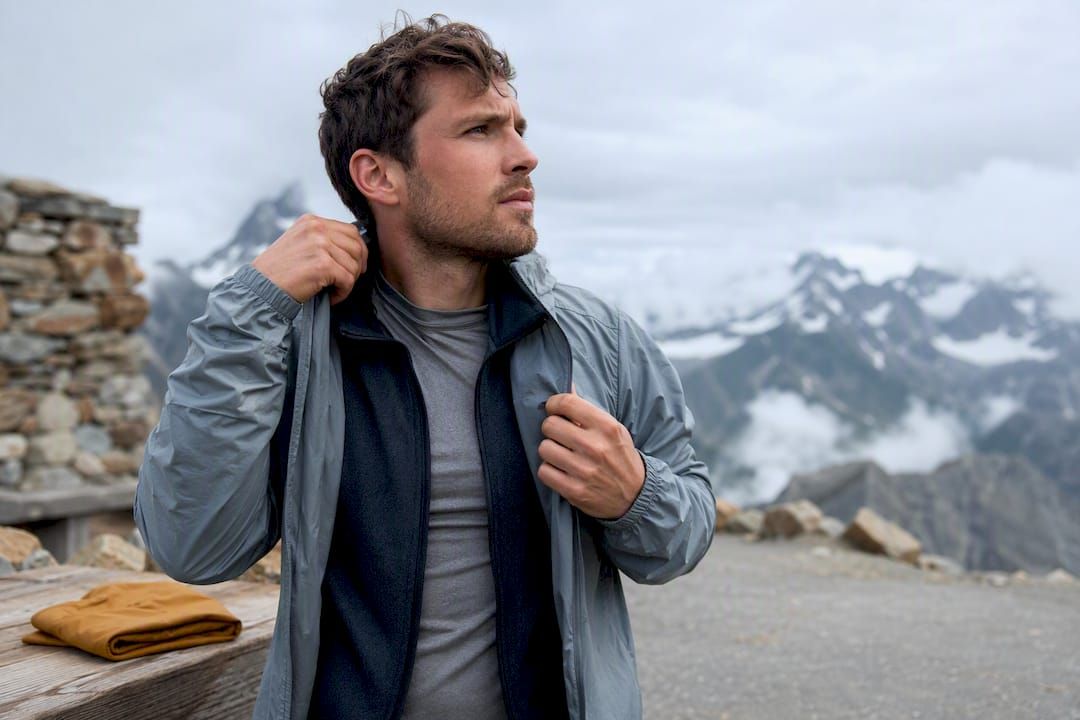
Swap in gloves for cold-season flights or doors-off tours, and keep that wind shell within reach even in summer. A quick look at seasonal weather and visibility patterns for your destination helps you calibrate how heavy that midlayer needs to be.
What Helicopterstour and Justin Recommend
Testing your headset fit with the actual jacket you’re wearing that day sounds like a small detail until you’re mid-flight with a headset slipping because your collar is too bulky. It’s the kind of fix that costs nothing and saves you an entire tour.
Helicopterstour verifies FAA-certified operators and reviews thousands of traveler experiences to flag exactly this kind of practical friction before it happens to you. Two habits worth building: try your headset with your travel jacket before flight day, and pack a small zippered pouch just for your phone, sunscreen, and lip balm so nothing loose rolls around the cabin floor.
Pro Tip: Check the operator’s own “what to bring” page before you land at the tarmac. Rules on baggage size, camera gear, and headset use vary by company, and the operator’s page is the final word, not any general guide.
Do Rotor Wash and Wind Wreck Your Hair?
Rotor wash is stronger than most first-time flyers expect, and it hits hardest during boarding and takeoff, right when everyone’s reaching for a phone to capture the moment. If you’re planning to step out looking camera-ready the second you land, plan around the wind, not against it.
Long hair fares best pulled back into a low ponytail or braid rather than left loose. A high ponytail can whip around inside the cabin once the doors are shut and headsets go on, while a loose style at shoulder length tends to end up in your face for the entire flight. Braids hold up particularly well because they don’t unravel under wind the way a simple tie can.

Hats are the trickier call. Skip anything with a wide, floppy brim, since it’ll catch rotor wash the moment you step outside and likely end up in your hand instead of on your head. A snug ball cap or beanie can survive the walk to the aircraft, but most passengers end up stowing it once seated anyway, since headsets don’t leave much room for a hat brim.
If photos are the priority, consider doing your hair after boarding rather than before. Many tours have a few minutes of taxi or hover time before the doors close for good, and that’s a better window to smooth things over than trying to fix flyaway strands while jogging across a windy tarmac with a headset in hand.
Does the Dress Code Change for Different Types of Helicopter Rides?
The core rules (closed-toe shoes, fitted clothing, secured gear) hold across nearly every kind of flight, but the details shift depending on what kind of tour you’ve booked. A scenic sightseeing flight over a canyon or coastline, the kind most travelers book through Helicopterstour, tends to run on the more relaxed end. You’ll be seated, buckled, and wearing a headset the whole time, so the biggest variables are sun exposure and photo quality, which is why operators flying canyon routes specifically recommend long sleeves, pants, sunglasses, and a hat for the walk to the aircraft.
Doors-off tours raise the stakes considerably. Wind exposure is constant, temperatures drop faster, and loose items are far more likely to become a real hazard rather than a minor annoyance. If you’re booking a doors-off flight, treat the “avoid loose items” rule as absolute, not optional, and add a warmer midlayer than you’d normally pack for a closed-cabin flight.
Utility or working flights, like transport to a remote lodge or a film support flight, come with stricter rules still, often including specific footwear (no open sandals, ever) and sometimes hard hats near active rotor zones. If you’re booking anything other than a standard scenic or sightseeing tour, always confirm the dress requirements directly with that operator, since utility-flight rules can differ meaningfully from a typical tourist flight.
Why Most Dress Code Advice Misses the Point
Most articles on this topic read like packing lists with no reasoning attached: wear this, skip that, no explanation. The gap in typical advice isn’t the list itself, since closed-toe shoes and fitted clothing show up everywhere. It’s that nobody explains why the rule exists, which means travelers follow it halfheartedly or skip it when it feels inconvenient.
Here’s the judgment worth sitting with: rotor wash and cabin space are the two forces driving almost every rule on this list. Loose fabric, dangling jewelry, floppy hats, and oversized bags aren’t banned because operators are being fussy. They’re banned because a confined cabin with a spinning rotor outside has zero tolerance for anything that can catch wind or become a projectile. Once you understand that, the whole dress code stops feeling like arbitrary etiquette and starts feeling like common sense.
What I’d prioritize first, above photo aesthetics or comfort: footwear and headset fit. Get those two right and everything else, layering, color choice, jewelry, becomes a minor optimization rather than a safety question.
— Justin
Find a Verified Helicopter Tour Through Helicopterstour
Once your outfit is sorted, the harder part is finding an operator you can actually trust with your safety and your money. Helicopterstour is built for exactly that: every listed tour comes from an independently verified FAA-certified operator, reviewed against thousands of real traveler experiences rather than a single marketing page.

That verification matters more than most travelers realize, since dress codes and safety briefings vary by operator, and the only way to know what you’re actually getting is to check before you book, not after you’ve already paid a deposit. Helicopterstour’s curated tour reviews let you compare scenery, safety records, and pricing side by side across more than 500 tours in 15-plus countries, so you’re booking based on verified detail rather than guesswork. Browse the current listings, check the operator notes on each tour page, and book the flight that matches what you’re actually looking for, whether that’s a quick scenic hop or a full doors-off adventure.
Operator and Reference Pages to Check Before Your Flight
A few more pages worth a look before you finalize your outfit and your booking:
- What to Expect on a Helicopter Tour: Before, During, and After
- Best Helicopter Tours for First-Time Flyers
- Can You Take a Helicopter Tour If You’re Afraid of Heights?
Sources
- Helicopter Ride Attire: What to Wear and What to Avoid | Executive Flyers
- How to dress for helicopter ride? – TripAdvisor forum
FAQ
Do Operators Weigh You Before a Helicopter Ride?
Some operators do weigh passengers, but it’s for weight-and-balance calculations that keep the aircraft properly loaded, not for any other reason, and staff typically handle it quietly and privately at check-in.
Is It Cold on a Helicopter Ride?
Cabins run cooler than most passengers expect, especially at altitude or with doors off, so a light jacket or windbreaker layer is worth bringing even on a warm day.
Why Do You Have to Wear Headphones on a Helicopter?
Headsets let you hear the pilot’s safety instructions and talk with other passengers over rotor noise, which makes them a safety requirement rather than an optional comfort item.
What Should I Avoid Wearing on a Helicopter Tour?
Skip loose skirts or dresses, high heels, flip-flops, long scarves, and large dangling jewelry, since wind and rotor wash can catch loose fabric or accessories during boarding.
Does Helicopterstour Verify Operator Safety Standards?
Yes, Helicopterstour independently verifies FAA-certified operators and reviews traveler feedback before featuring a tour, which is part of why its guidance on operator rules and dress expectations tends to hold up in practice.
Recommended
- What to Wear on a Helicopter Tour: Clothing, Camera, Comfort Tips
- Helicopter Tour Safety: Are Helicopter Tours safe?
- What to Expect on a Helicopter Tour: Before, During, and After
- Can You Take a Helicopter Tour If You’re Afraid of Heights? Tips for Nervous Flyers