


Hey there, I’m Justin. Of every destination people ask me to review, none comes up more than one place: why is the Grand Canyon such a good fit for a helicopter tour in the first place? The short answer is that almost nowhere else on Earth lets you see nearly two billion years of exposed geology, land inside a national park, and be back at your hotel before dinner. A helicopter flight over this canyon compresses a landscape that would otherwise take days of hiking or driving into a 25-to-50-minute trip, and depending on which route you book, a grand canyon helicopter tour landing lets you actually stand on the canyon floor rather than just look down at it from the rim. Add in one of the most heavily audited safety records in the entire tour industry, and it’s easy to see why grand canyon helicopter tour safety statistics get cited by operators almost as often as the scenery does. Here’s what actually makes this destination special, not just popular.
Key Takeaways
- The canyon exposes nearly two billion years of rock layers and was carved by the Colorado River in the last 5-6 million years — a timescale that’s genuinely hard to grasp from the ground.
- The West Rim, on Hualapai tribal land, is the only place in the canyon where helicopters are permitted to land.
- Modern flightseeing helicopters use stadium seating and quieter cabins built specifically for sightseeing, not just transport.
- Most flights depart from Las Vegas, and the destination is covered by one of the most heavily audited safety programs in the helicopter tour industry.
- Tour prices and durations vary widely, from quick rim flights to landing tours with add-on experiences.
Jump to a Section
- Ancient Geology on a Scale You Can Only Grasp From the Air
- The Only Spot in the Canyon Where You Can Actually Land
- Flightseeing Aircraft Built for the View, Not Just the Ride
- Easy to Reach From Las Vegas, With Rim Options to Match
- A Heavily Regulated, Safety-First Industry
- Tour Options for Nearly Every Budget and Schedule
- A Genuine Bucket-List Experience
- Insider Tips from Justin
Ancient Geology on a Scale You Can Only Grasp From the Air
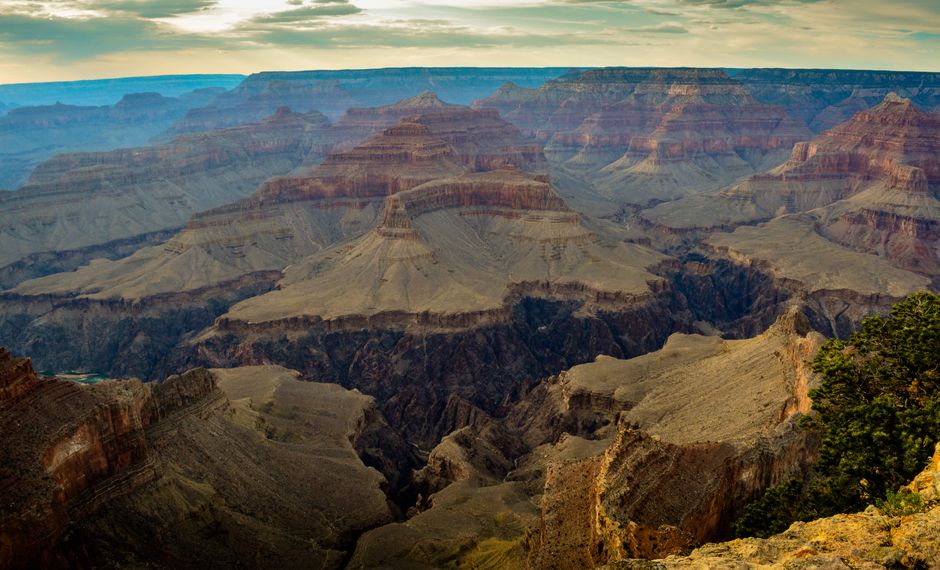
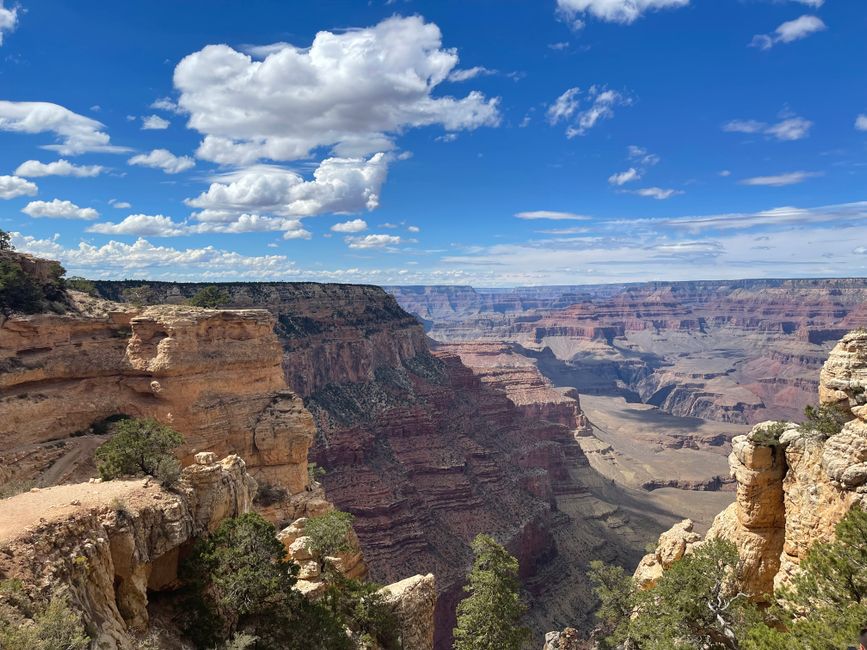
The Grand Canyon’s oldest exposed rock, the Vishnu Basement Rocks at the bottom of the inner gorge, is nearly 1.84 billion years old, while the youngest layers holding up the rims date back roughly 270 million years — long before dinosaurs existed. The canyon itself is comparatively young: the National Park Service dates its carving by the Colorado River to somewhere in the last 5 to 6 million years, a geological blink of an eye compared to the rock it cut through. On foot or by car, you experience maybe one or two of these rock layers up close at a time. From the air, the entire stack is visible at once, banded in distinct colors from rim to river.
That full-stack view is really the whole case for seeing this particular destination by air. Ground-level viewpoints show you a cross-section from a single angle; a helicopter lets you trace the same rock layer for miles as it wraps around buttes and side canyons, then watch it drop away entirely as you descend toward the Colorado River. It’s less like sightseeing and more like watching the canyon’s entire timeline scroll past the window, which is exactly the kind of perspective that keeps this flight at the top of so many bucket lists.
The named layers read almost like a table of contents for the planet. Kaibab Limestone caps the rim, the Coconino Sandstone below it preserves ancient sand dune patterns, and deep in the inner gorge the dark, twisted Vishnu Schist marks some of the oldest exposed rock in North America. Geologists can point to each band and describe the ocean, desert, or mountain range it used to be, and seeing all of them stacked in a single sweeping view is something no photograph or overlook quite replicates.
Scale is the other thing that’s genuinely difficult to appreciate until you’ve seen it from the air. The canyon stretches roughly 277 miles end to end, reaches depths over a mile in places, and in some sections spans more than 15 miles from rim to rim — wide enough that the opposite wall can look hazy with distance on a clear day. Standing at a single overlook, it’s easy to underestimate just how much canyon extends beyond your field of view; from a helicopter, that entire scale finally becomes legible in a way ground-level vantage points simply can’t deliver.
The Only Spot in the Canyon Where You Can Actually Land

Landing inside Grand Canyon National Park’s boundaries is prohibited for aircraft noise and preservation reasons, which is why every grand canyon helicopter tour landing actually touches down several miles away, on Hualapai tribal land at the West Rim. It’s the only point along the entire 277-mile canyon where a helicopter is permitted to set down, and it’s a genuinely different experience from a flyover: you step out onto the canyon floor, feel the temperature shift near the Colorado River, and look straight up at walls that took millions of years to form.
Most operators build a landing stop into the flight itself, sometimes with a champagne toast or a short picnic beside the river before heading back up. If you’re comparing specific operators, checking a current list of top Grand Canyon National Park helicopter tours for June 2026 is a fast way to see which companies currently include a landing versus a rim-only flyover, since not every tour includes one.
The landing itself only takes up a small part of the overall flight time, but it tends to be the part people remember most vividly. Engines idle down, the rotor noise fades, and for a few minutes it’s just the sound of the Colorado River and the wind moving through a space that most visitors only ever see from a rim overlook a mile above. Booking a grand canyon helicopter tour landing specifically, rather than a rim flyover, is the difference between viewing the canyon and briefly standing inside it.
Flightseeing Aircraft Built for the View, Not Just the Ride
Modern Grand Canyon operators mostly fly purpose-built flightseeing helicopters rather than repurposed transport aircraft. Fleets like the EcoStar EC130 use stadium-style seating so every passenger, not just the ones near a window, gets a largely unobstructed view, and cabins are noticeably quieter than older models, which makes the in-flight narration easier to actually hear over the rotor noise.
That comfort difference matters more on this particular route than most, since a chunk of the flight is spent gaining and losing altitude as the helicopter drops from the rim down toward the inner canyon. Forward-facing seats and large windows keep that descent feeling scenic rather than disorienting, which is part of why even nervous first-time flyers tend to come away describing it as more thrilling than unsettling.
Comfort and grand canyon helicopter tour safety tend to go hand in hand, since the same operators investing in newer, quieter aircraft are usually the ones investing in stricter maintenance schedules and pilot training as well. Pilots flying this route typically log significant hours specifically over canyon terrain, learning how thermal air currents behave as they rise off sun-heated rock walls, which is a very different skill set from flat, low-altitude flying elsewhere.
Most modern flightseeing aircraft also pair the seating and cabin upgrades with digital audio narration, often available in multiple languages, that’s timed to point out landmarks as they come into view rather than leaving passengers to guess what they’re looking at. Little details like headset quality and cabin temperature control sound minor on paper, but on a flight where the scenery is doing most of the work, a comfortable, well-narrated cabin is the difference between a good flight and one that actually holds your attention for the full duration.
Easy to Reach From Las Vegas, With Rim Options to Match
Unlike a lot of remote flightseeing destinations, this one is unusually convenient to get to. The West Rim sits roughly 120 miles from Las Vegas, which means the majority of visitors book a same-day round trip helicopter departure directly from the city rather than staying near the park itself. The South Rim, home to the park’s main visitor facilities, is farther out and typically reached by fixed-wing plane or a longer ground transfer combined with a shorter local flight.
Choosing between rims is really a choice between two different experiences, and it’s worth doing some homework before booking either one. Cross-referencing helicopter tour reviews by destination is a good way to see how West Rim landing tours actually compare to South Rim flyovers from real travelers, rather than guessing based on price alone. It’s also worth checking a current list of the best-rated Grand Canyon helicopter tours currently running, since departure point and rim choice affect availability and pricing more than most first-time bookers expect.
The South Rim route does have one advantage worth mentioning: it’s the option most connected to the park’s hiking trails, visitor center, and overlooks, so it suits travelers who want to combine a flight with time spent on the ground. But for anyone prioritizing convenience and a grand canyon helicopter tour landing experience specifically, the Las Vegas-to-West-Rim route remains the far more common choice, and it’s reflected in just how many operators concentrate their fleets and schedules around that departure point.
A Heavily Regulated, Safety-First Industry
Grand canyon helicopter tour safety is taken seriously enough here that most major operators belong to the Tour Operators Program of Safety (TOPS), an independent, non-profit body founded in 1996 that sets standards above baseline FAA requirements. According to Papillon’s overview of the TOPS program, member operators fly roughly 85% of all helicopter tour hours nationally and recorded 1.13 accidents per 100,000 air tour hours in a year where the broader civil helicopter fleet averaged 9.98 — a meaningfully different safety profile than an unregulated operator flying informally.
That regulatory maturity is itself a reason this destination stands out. Plenty of scenic places have a helicopter or two willing to fly tourists around, but few have an entire industry built around annual third-party safety audits the way Grand Canyon operators do. If grand canyon helicopter tour safety is a real concern for you, asking any operator directly whether they’re a TOPS member is one of the simplest ways to narrow the field before booking.
On top of TOPS membership, every operator flying commercial passengers here still has to hold an active FAA Part 135 air carrier certificate, which sets baseline requirements for maintenance schedules, pilot certification, and aircraft inspections regardless of TOPS status. The two systems overlap rather than compete: FAA Part 135 sets the legal floor, and TOPS asks member operators to clear a noticeably higher bar on top of it, which is a large part of why grand canyon helicopter tour safety statistics compare so favorably to the broader civil helicopter fleet.
Tour Options for Nearly Every Budget and Schedule
Prices for a Grand Canyon flight in 2026 generally run from around $269 for a short rim-only flight up to roughly $739 for longer landing tours with add-ons, so there’s a real range depending on how much time and experience you want. Shorter flights tend to stick to the rim and skip the landing; longer packages often bundle in a picnic at the canyon floor, a champagne toast, or a combination with a ground activity like an ATV tour or horseback ride near the West Rim.
Because pricing and inclusions shift fairly often, it’s worth comparing a few current options rather than booking the first one you see. A 2026 expert ranking of the world’s top helicopter tours can help you see how Grand Canyon packages stack up against other bucket-list destinations on price and experience, and checking this month’s top Grand Canyon tour operators will show you which packages are actually delivering on what they advertise this season.
Group size is another factor worth checking before you book. Some operators fly larger shared helicopters where you’re grouped with other travelers to fill seats, while others offer private charters at a higher price point. A private grand canyon helicopter tour landing package typically costs more, but it also means no waiting on other passengers, more flexibility on timing, and generally more room to move around during the stop at the canyon floor.
Timing your booking matters too. Weekends, holidays, and the spring and early summer travel season tend to sell out popular morning slots well in advance, while weekday and off-season flights generally have more availability and occasionally better pricing. Booking a few weeks ahead rather than the day before gives you a much better shot at the departure time and rim option you actually want, rather than settling for whatever’s left.
It’s also worth asking what’s actually included before comparing prices across operators, since two tours listed at similar rates can vary a lot in what they cover. Some quote a base fare and charge separately for hotel pickup, video packages, or landing add-ons, while others bundle everything into one price. Reading the fine print on cancellation and weather-related rescheduling policies is worth the extra few minutes too, since desert weather can shift quickly and a flexible operator will simply move your flight rather than forfeiting your payment. Weather holds are fairly common given how quickly conditions can shift around the canyon rim, so building a spare day into your Las Vegas itinerary, rather than scheduling your only free afternoon, is a simple way to avoid disappointment if your original slot gets pushed.
A Genuine Bucket-List Experience
Put all of that together — the geology, the landing option, the aircraft, the accessibility, and the safety record — and it’s not hard to see why this is one of the most consistently booked flightseeing destinations in the world. Reviewers routinely describe it as the highlight of an entire Las Vegas trip, not just a nice add-on activity, and that sentiment holds up whether someone’s flying for a special occasion or just checking a long-standing item off a travel list.
What separates this destination from most other scenic flights is that it doesn’t rely on any single selling point. Plenty of destinations have great scenery, or a unique landing spot, or a strong safety record — this is one of the few places that genuinely has all three at once, which is exactly why it keeps earning repeat visitors alongside first-timers.
It’s also a flight that suits a wide range of occasions. Couples book it for proposals and anniversaries, families use it to mark milestone trips, and plenty of solo travelers add it on simply because it’s one of the few activities near Las Vegas that feels genuinely once-in-a-lifetime rather than just another attraction on a checklist. The mix of dramatic scenery, a real landing option, and a strong safety record is broad enough to appeal to nervous first-time flyers and seasoned travelers alike, which is a big part of why this particular flight shows up on so many “things to do in Las Vegas” lists that otherwise have almost nothing else in common with it.
If you’re still deciding whether it’s worth the price, it helps to think about what you’re actually paying for: a grand canyon helicopter tour landing experience most people will only ever do once or twice in their life, flown under some of the tightest grand canyon helicopter tour safety oversight in the industry, over geology that took nearly two billion years to form. Very few travel experiences combine all of that into a single afternoon.

Insider Tips from Justin
Hey everyone, Justin here. I’ve flown this route more times than I can count at this point, and a few things consistently make the difference between a good flight and a great one. Here’s what I tell people before they book:
- Book a morning flight if you can — Winds tend to pick up in the afternoon, and morning light brings out the layered rock colors far better than midday sun.
- Decide up front if the landing matters to you — Not every tour includes one, and it’s a meaningfully different experience than a rim-only flyover.
- Ask which rim you’re actually flying — West Rim and South Rim tours look and feel different; make sure the marketing matches what you’re booking.
- Confirm TOPS membership before you book — It’s a quick question that tells you a lot about an operator’s safety culture.
- Pack light and dress in layers — Temperatures at the canyon floor can be noticeably different from Las Vegas, especially outside summer.
- Book early during holidays and spring break — Seats fill up fast during peak travel weeks, and the best morning slots go first.
Looking for a Helicopter Tour?
Browse our full directory of helicopter tour reviews by location to find the best experience wherever you’re headed.
Grand Canyon Helicopter Tour FAQ’s
Question: Why is the Grand Canyon a great place for a helicopter tour?
Answer: It combines nearly two billion years of exposed geology, the only legal in-canyon helicopter landing spot in the West Rim, easy access from Las Vegas, and one of the most heavily audited safety records of any flightseeing destination.
Question: Can helicopters actually land inside the Grand Canyon?
Answer: Only at the West Rim, on Hualapai tribal land outside the national park boundary. Landing anywhere inside Grand Canyon National Park itself is prohibited.
Question: How long is a typical Grand Canyon helicopter tour?
Answer: Most flights run between 25 and 50 minutes, though landing tours with add-ons like a picnic or champagne toast can run longer.
Question: How much does a Grand Canyon helicopter tour cost in 2026?
Answer: Prices generally range from about $269 for a short rim flight to roughly $739 for longer tours that include a canyon floor landing and extras.
Question: Is it better to fly from Las Vegas or the South Rim?
Answer: Las Vegas departures are more convenient and typically reach the West Rim, while South Rim flights depart nearer to the park’s main visitor facilities; the right choice depends on your itinerary.
Question: Are Grand Canyon helicopter tours safe?
Answer: The majority of major operators belong to the Tour Operators Program of Safety (TOPS), which holds members to safety standards well above baseline FAA requirements and has a strong track record compared to the general civil helicopter fleet.
Question: What is TOPS certification?
Answer: The Tour Operators Program of Safety is an independent, non-profit safety organization founded in 1996 that requires member operators to pass initial and annual third-party safety audits.
Question: What kind of helicopter is used for Grand Canyon tours?
Answer: Many operators fly aircraft like the EcoStar EC130, which uses stadium-style seating and a quieter cabin designed specifically for sightseeing rather than standard transport.
Question: How old is the Grand Canyon?
Answer: The canyon’s oldest exposed rocks are nearly 1.84 billion years old, while the canyon itself was carved by the Colorado River over the last 5 to 6 million years.
Question: Can you combine a helicopter tour with other activities?
Answer: Yes. Many West Rim packages bundle in extras like an ATV tour, a horseback ride, or a champagne toast at the canyon floor alongside the flight itself.
Question: What’s the best time of day to book a Grand Canyon helicopter tour?
Answer: Morning flights are generally recommended, since winds tend to pick up later in the day and early light shows off the canyon’s layered rock colors more clearly.
Question: Do I need to book a landing tour, or is a flyover enough?
Answer: It depends on preference and budget. A flyover still offers dramatic aerial views, while a landing tour adds the chance to stand at the canyon floor next to the Colorado River.